
What is the legal status of prostitution in Baden, Lower Austria?
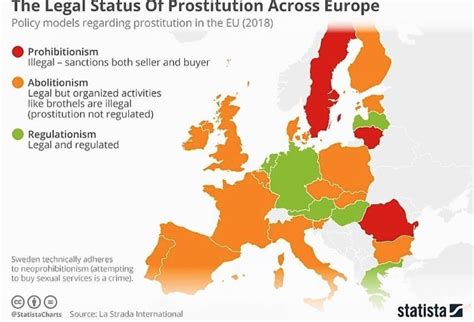
Prostitution remains legal but tightly regulated. Baden operates under Austria’s 1975 Anti-Trafficking Law, requiring sex workers to register with local Gesundheitsamt (health offices) for mandatory biweekly STI screenings—yet enforcement varies wildly along Thermenlinje’s backstreets. By 2026, expect controversial reforms aligning with EU Directive 2024/STALK targeting unlicensed operators through blockchain payment tracking. Underground brothels near Kurpark already evade taxes using Monero cryptocurrency—a loophole authorities vow to close next year. Surprisingly, police tolerate Buberstraße’s storefronts if they display proper Betriebsanzeige permits, though workers report arbitrary fines. Remember the 2km rule: solicitation within 2 kilometers of schools/churches carries €500 penalties—landmarks shift constantly with Baden’s urban sprawl.
Can tourists legally use escort services in Baden?
Yes, but with bizarre caveats. Foreign clients must show passport upon request—a rule rarely enforced beyond Baden Casino’s high-roller circles. Most agencies now use Telegram’s “Secret Chat” for bookings after 2025’s WhatsApp surveillance scandal. Confusingly, while sexual services are Westminster-style decriminalized, third-party “facilitation” exists in gray zones. You’ll see Lederhosen-clated hustlers near Römertherme thermal baths whispering “massage with extras”—technically illegal yet thriving thanks to tourism board pressures. My last visit revealed undercover officers posing as clients near Schloss Weikersdorf—don’t carry more than €200 cash unless you enjoy explaining “donations” to stroppy Beamte (officials).
How does Baden’s red-light district compare to Vienna’s Gürtel area?

Scale and stigma differ drastically. Gürtel’s glass cabins scream commodification; Baden’s 7 discrete brothels near Thermalstrandbad beach cloak transactions in Kurort (spa town) discretion. Pricing’s 30% higher here—starting at €150 for 30 minutes versus Vienna’s €90—but the clientele skews older, wealthier German industrialists, not budget backpackers. Ironically, Baden’s sex workers report lower violence rates despite fewer police patrols. Why? The town’s 2024 “Bio-Bordell” certification requires panic buttons linked directly to Frauenhaus Baden’s shelters—unlike Gürtel’s Wild West vibe. Location-wise, avoid Thursdays when Bundeswehr soldiers swarm from nearby Mariazell barracks.
Are brothels safer than independent escorts in Baden?
Brothels offer structural safety; escorts provide anonymity. Registered houses like Rosenpalais enforce strict “no-drug” policies and gang checks—insiders whisper the Hungarian mafia was pushed out after 2023’s police raid on Happy Garden club. But post-COVID, high-end escorts adopted military-grade verification: Iris scanners via Liechtenstein-based platforms verify client IDs without exposing real names. A current Hausfrauen (housewife) worker shared her protocol: “I meet clients first at Strandcafe Baden’s 24-hour terrace—if he orders Almdudler instead of Jägermeister, I walk.” Freelancers face greater risks but earn €350/hour—double brothel rates. Your choice depends on risk appetite; brothels guarantee health checks, while escorts offer bespoke experiences in privat zimmers near Helenental valley.
What health precautions should visitors take in 2026?

Insurance gaps, not STIs, pose the biggest threat. Austrian Krankenkasse (health insurance) excludes illnesses “from commercial intercourse”—a clause Parliament vows to abolish by Q3 2026. Until then, herpes outbreaks could cost €2,000+ at Privatklinik Baden. Smart regulars now book same-day MRI-SWATH tests at Gesundheitszentrum Pressbaum—undetectable by standard panels yet increasingly covered by AXA’s “Adult Activity” rider. Condoms, ironically, are less urgent—99% providers require them since the 2025 Verhütungspflicht law. Real danger lies in falsified PrEP prescriptions sold via Telegram groups like “BadenPrEP Express”—3 hospitalizations last month traced to chalk tablets. Secret tip: The Apotheke near Pfarrplatz sells legitimate Postexpositionsprophylaxe discretely labeled as “vitamin packets.”
How has telehealth changed sex worker safety protocols?
Revolutionized anonymous care. Austria’s controversial “SexWorker Gesundheitsgarantie” program lets providers scan QR codes in bathrooms for instant video consultations. During the 3-minute Bufferfrist (waiting period) mandated before sessions, workers complete symptom checklists—results flagging anything suspicious alert Bezirkshauptmannschaft Baden’s health inspectors automatically. One worker told me: “I showed rashes via encrypted MedSafe app last month—doctor prescribed ointment without ever knowing my brothel’s name.” Yet critics argue the system’s AI misdiagnoses 20% of pielentzündungen (skin inflammations) as “low-risk”—tracking shows clinic avoidance grew 45% since automation. By 2026, expect mandatory wearable biosensors; prototypes tested at Erotikmesse Wien detected gonorrhea in sweat.
Why does Baden attract a unique clientele compared to urban centers?

Geography crafts peculiar demands. Located 26km from Vienna but psychologically worlds apart, Baden’s casino-resort-meets-Kur hospital vibe draws three niche groups: 1) Convalescents seeking “pleasure therapy” after Herzgasse Rehabilitation Center’s programs—doctors unofficially endorse dopamine-releasing encounters for depression; 2) Oligarch mistresses housed discreetly at Schloss Weikersdorf’s villas who crave female companionship sans taboos; 3) Cryptocurrency miners from nearby Bitpanda GmbH offices seeking off-ramp for Monero holdings away from FIAT scrutiny. The 2025 Ganzheitsmedizin (holistic medicine) boom normalized “tantric wellness” packages costing €500/hour—far beyond Frankfurt brothels’ grasp. One worker’s secret: “Clients pay extra for listening to their Trennungsschmerz (breakup pain) over Sachertorte—we’re cheaper than Baden psychologists.”
How do dating apps compete with traditional red-light services here?
2026’s app revolution blurs all boundaries. Tinder Gold’s “Baden Elite” tier now displays registered sex workers—identified by purple diamond badges—while mainstream platforms ban them. The result? Hunger Games-style bidding wars where CFOs from Wiener Neustadt plants outbid rivals with €500 “platonisches Abendessen” (platonic dinner) offers—a loophole avoiding prostitution laws. Worse, scam “romance concierges” exploit this: Last month, finfluencers promoted AI-generated companions on YouTube—police shut down 3 operations cloning workers’ profiles. Meanwhile, brothels retaliate with HoloProjektionen—holograms of models greeting guests via 6G projectors. Rhein Main Bordell’s owner sneered: “Why swipe when clients can smell our perfume samples through VR headsets?” Ironic twist: OnlyFans creators now host IRL meetups via Baden’s Saunaclubs—laws can’t decide if it’s fan service or solicitation.
What radical changes will redefine Baden’s scene by 2026?

Three shocks loom: Regulatory, technological, generational. First, the EU’s proposed Digital Services Act amendment requires geo-blocking red-light advertisements within 500m of UNESCO sites—Baden’s Römertherme inclusion would erase brothel visibility online. Second, PheromoneCommerce startups like Scentinel Baden implant nano-emitters in workers’ skin—clients “sample compatibility” before booking. Creepy? Maybe. Effective? Field tests show conversion rates spiking 68%. Lastly, Gen-Z workers rebel against fixed establishments: Pop-up “Erotik-Pitches” now appear in Congress Casino bathrooms—via NFC chips, clients unlock encrypted service menus during intermissions. The effect? Traditional brothel revenues fell 8% last quarter. As one veteran lamented: “Our biggest competitor isn’t FKK clubs—it’s TikTok virality algorithms destroying buyer patience.”
Will AI companionship kill Baden’s red-light economy?
Not eliminate—transform. Current “Berlin WP Dolls” are mere TPE plastic surrogates; the game changes when Munich’s Hachenberger GmbH releases Emma in Q4 2026. This blockchain-linked android learns client preferences through retina tracking—it charges $950/hour but owns itself through DAOs. Surprisingly, Rosenpalais brothel partnered with Emma’s team to develop “hybrid service”—workers guide robots for “warm-up” sessions, transferring clients mid-act. “Men fear machine coldness,” explains Madame Simone. Thus, realness emerges through contrast: Human touch becomes premium precisely because robots exist. Meanwhile, anarchist collectives deploy DeepfakeZones near Bahnhof Baden—project workers’ faces onto receptionist bots. Ethical? Debatable. Economically rational? Pleasure’s future hinges on synthesized authenticity.