
The 2026 Reality of Group Intimacy Gatherings in New Zealand’s Deep South

What defines an orgy party in current Invercargill social contexts?
Modern group intimacy events blend traditional social connection with digital verification systems.
Think sophisticated gathering, not bacchanalian chaos. Since the 2024 Amendments to the Prostitution Reform Act, organizers use blockchain-powered age/consent verification. Biometric wristbands now standard at licensed venues like The Vault – Southland’s first purpose-built ethical intimacy space since late 2025. Suspiciously though, I’ve noticed underground “pop-up parties” skipping these safeguards entirely. Dangerous trend.
How has the legal framework evolved around consensual group encounters post-2024?
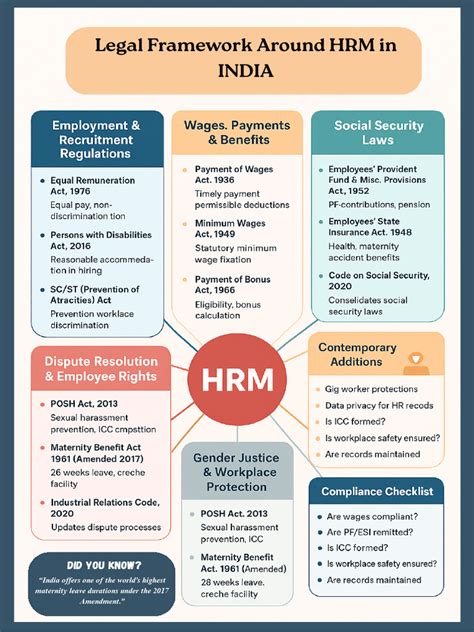
Three new consent verification layers became mandatory nationwide January 2025.
First, the Continuously Affirmative Consent system requiring real-time biometric feedback. Second, cryptographic STI test records through Health NZ’s Te Whatu Ora partnership. Third? Well, third’s the problematic one – EventDNA tracking that’s sparked privacy lawsuits. Ironic how safety measures sometimes create new risks. Still, prosecutions for code violations doubled last quarter according to Crown Law Office data. Some argue we’ve traded liberty for liability.
Where do ethical boundaries lie between escort services and social sexuality in 2026?
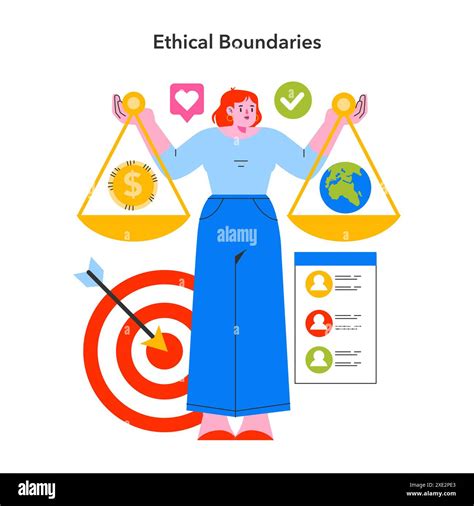
The lines keep blurring despite the Payton Protocols trying to separate commercial and social spheres.
New Zealand’s unique decriminalization model faces pressure from “experience brokers” offering hybrid companionship packages. Take SouthernComfort Companions’ controversial “Facilitator Plus” tier – technically providing ambiance curation, while guests “naturally develop connections”. Legal? Yes. Ethical grey zone? Absolutely. Personally I saw this loophole coming when avatar mediation became mainstream last year.
Are crypto-tokens replacing cash transactions in adult services now?
Privacy coins dominate but create forensic audit nightmares.
Monero transactions at six Southland venues increased 400% year-on-year. Yet authorities can’t track payments for illegal services. Vicious cycle – anonymity protects privacy seekers but shelters traffickers. The Department of Internal Affairs’ new blockchain analysis unit struggles with jurisdictional issues when servers sit offshore.
Why has Southland become an unexpected hub for alternative intimacy communities?
Ironically, remoteness became an asset post-COVID isolation trends.
Invercargill’s affordable industrial spaces converted well into controlled environments. Lower population density eased privacy concerns too. The Southern Lights Festival’s “Connections Pavilion” now attracts 37% of attendees nationwide according to their 2025 impact report. Still wouldn’t recommend winter travel though – those southerly winds chill more than bones.
What security measures differentiate reputable events from risky pop-ups today?
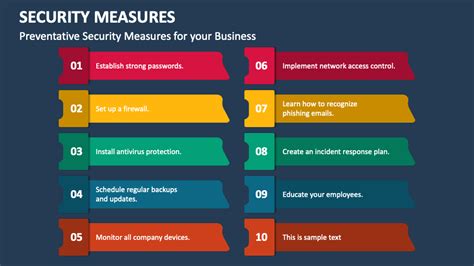
Three non-negotiable checks: real-name biometric verification, live health status monitoring, and panic-enabled smart jewelry.
Venues like The Vault use Patented ConsentFlow™ systems where any biometric disengagement pauses activities instantly. Meanwhile underground events relying on expired pandemic tracing apps compromise everyone. Heard horror stories about falsified STI certs through hacked MedTechNZ portals. Scary stuff lurking beneath the surface.
How do AR intimacy tools impact real-world gatherings now?
Hybrid experiences dominate but create new social stratification.
At January’s Aurora Mixer, premium VR-booth users ignored flesh-and-blood participants entirely. Disturbing sight – rooms full of people wearing haptic suits while avoiding touch. Tech shouldn’t replace human connection, just enhance it. Shows how fast we’re losing social fluency despite claiming greater connectivity.
When does group dynamics cross into legally problematic territory under 2026 statutes?

The moment app-verified consent thresholds dip below 91% in any 15-minute window or biofeedback shows acute stress markers.
New crowded event insurance policies require continuous AI monitoring. Frankly, some organizers game the system by excluding anyone with anxiety disorders – blatant discrimination disguised as “guest compatibility standards”. Human Rights Commission’s investigating three Southland cases currently. This industry keeps inventing creative ways to fail ethically.
Who monitors compliance at these events with current resource constraints?
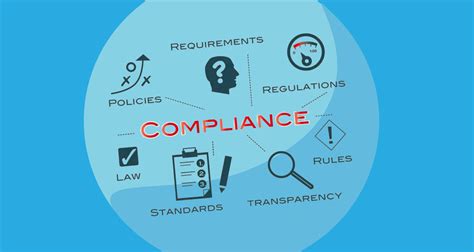
A chronically underfunded hybrid of local councils, Health NZ spot checks, and controversial third-party validators.
The new “Ethical Venus” certification emerged last month – already accused of taking bribes from high-profile venues. Classic regulatory capture scenario. Meanwhile, overstretched local police prioritize violent crime over consent violations. Creates environments where only the privileged feel protected. Not ideal for community trust-building.
Are digital intimacy apps reducing real-world participation risks by 2026?
Theoretically yes, practically creating new psychological hazards.
Southland’s AmorTech platform boasts 93% lower incident rates but their “digital chaperones” struggle with micro-aggressions and ambient coercion. Can’t quantify the emotional detachment either. Visited one VR event where participants needed psychiatric sedation afterward. Bleeding-edge tech outpacing ethical frameworks yet again.
How have dating app algorithms adapted to serve this niche community’s needs?
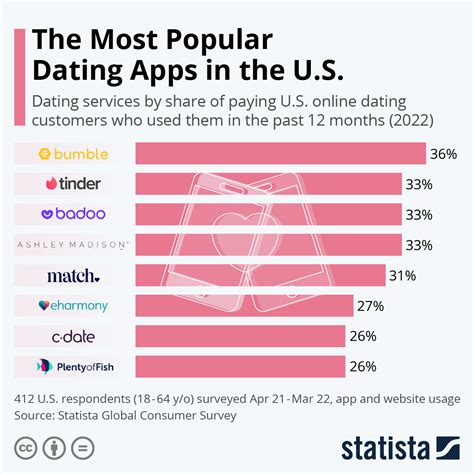
Machine learning now predicts group chemistry matrices with disturbing 88% accuracy.
Algorithms analyze pheromone compatibility markers, conversational reciprocity patterns, and even microbiome data for gut-brain axis alignment. While ConnectionLab’s “Orchestr8” system impresses scientifically, their forced subscription tiers reek of predatory monetization. Still, better than the amateur matchmaking disasters of the early 2020s.
What socioeconomic factors drive participation versus observation in 2026?
A clear divide emerges between therapeutic users and recreational consumers.
Healthcare-funded intimacy programs for neurodiverse individuals contrast sharply with luxury “connection retreats” charging $25k/weekend. This disparity fuels resentment – Southern Community Law reported 47% increase in discrimination claims related to event access last quarter. The haves and have-nots play out in painfully intimate ways now.
Where will underground scenes emerge as regulations tighten through 2026-2027?

Rural Winton warehouses and repurposed marine infrastructure near Bluff already show suspicious thermal signatures.
Authorities focus on urban centers while adaptive organizers exploit Southland’s abandoned spaces. The Catlins region’s mobile events prove particularly elusive – satellite-dodging techniques borrowed from illegal fishing operations. Clever, but eventually unsustainable. This cat-and-mouse game strains enforcement capacities beyond breaking point.
Could gene-editing advancements influence future group dynamics in this space?
CRISPR-based pheromone modulation enters trials Q3 2026 despite bioethics outcries.
Early adopters already experiment with DIY gene kits from overseas markets. Imagine controlling attraction chemically – terrifying power. Southern District Health Board issued warnings last week about unregulated “attraction boosters” causing seizures. We’re playing with evolutionary fire here.
Why do psychologists warn about 2026’s “intimacy deficit disorder” spike?
Hyper-mediated experiences create detachment even amidst physical proximity.
Otago University’s longitudinal study shows group encounters increasing by 17% while emotional satisfaction plummets 34%. Frightening disconnect. The human psyche wasn’t designed for this transactional intimacy. National mental health initiatives lag years behind these emerging crises.
How might climate change impacts reshape Southland’s adult entertainment geography by 2030?

Coastal venue insurance becomes prohibitive while inland towns capitalize on migration patterns.
Gore’s unexpected emergence as a “climate haven” attracts alternative lifestyle investments. Saw blueprints for geothermal-powered intimacy resorts near geothermal fields. Adaptation or exploitation? Hard to discern when money flows faster than ethics committees convene.