
Are orgy parties legal in Hobart?
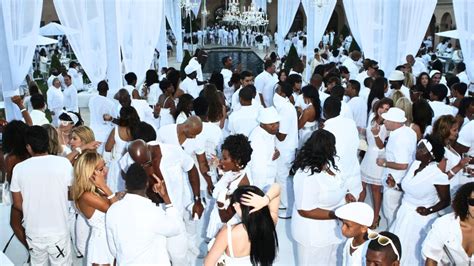
Consensual private gatherings between adults are legal in Tasmania, provided they don’t violate public decency or prostitution laws. Organizers must ensure all participants actively consent and avoid commercial exchanges that could be interpreted as sex work under Tasmania’s strict regulations. Venues operating without proper licensing risk heavy penalties.
Tasmania’s Summary Offences Act walks this tightrope between personal freedoms and public morality. Police rarely intervene in discreet private residences hosting events unless complaints emerge. But hotel ballrooms or rented halls? Different story. One organizer who spoke anonymously described relocating gatherings monthly to avoid scrutiny – “like planning pop-up supper clubs with more skin”.
How do local laws differ from mainland Australia?
Tasmania maintains harsher penalties for public indecency compared to Sydney or Melbourne. A 2018 prosecution saw three adults fined $2,350 each for semi-public intimacy during a backyard event overheard by neighbors. Prostitution laws also complicate any financial transactions – even “party donation” systems could be misconstrued as brothel operations under Section 18 of the Sex Industry Offences Act.
Where do people find genuine group events in Hobart?
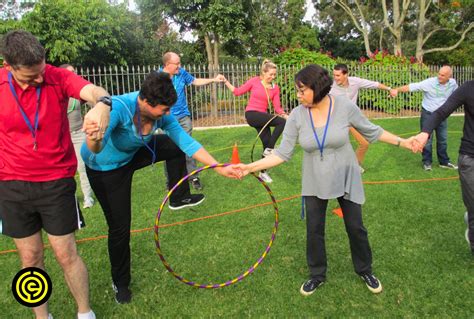
Underground communities rely on closed Facebook groups like “Tasmanian Connections” or fetish-specific fora on Reddit. The dating app Feeld sees active Hobart users coordinating smaller meetups before larger gatherings. Word-of-mouth remains king – most high-profile parties require existing member referrals.
Are there professional escort services in Tasmania?
Legal barriers make formal escort services scarce. Some independent operators advertise online as “companions” offering social dates with possible intimacy. Their involvement in group settings remains murky – one provider admitted avoiding multi-person scenarios entirely because “the legal lines get too blurred”.
How do participants ensure safety and consent?

Forward-thinking hosts implement “color card” systems – red means stop immediately, yellow requests slowing down. Pre-event STI testing proofs have become common post-pandemic. Most organized gatherings now station consent monitors trained to de-escalate situations, borrowing techniques from BDSM communities.
What health precautions are non-negotiable?
Tasmania’s rising syphilis rates make barrier use imperative. The Hobart Sexual Health Service reports free condom distribution up 47% since 2021. Smart attendees bring their own protection despite host supplies. Post-event STI checks within 72 hours are becoming standard practice among frequent participants.
What psychological dynamics emerge in group encounters?
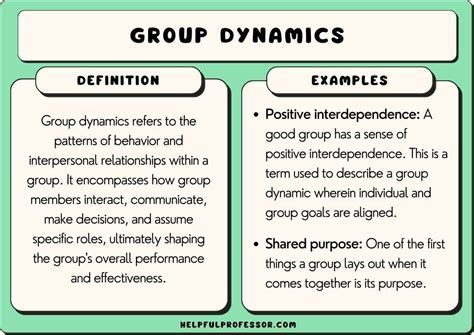
Seasoned organizers observe predictable patterns: initial nervous laughter giving way to territorial behaviors when couples participate. Jealousy management strategies include pre-negotiated “rescue phrases” partners use to exit situations discreetly. Aftercare often involves group cuddling sessions to rebuild emotional equilibrium.
How do newcomers avoid feeling overwhelmed?
Establish clear personal boundaries before entering any play space. Veteran participant Marco advises “waterproofing” your limits – “Like deciding you’ll only engage with two people maximum before entering. When endorphins surge, willpower dissolves.” Most events now designate “observation zones” allowing first-timers to acclimate without pressure.
What financial considerations exist for organizers?
Venue insurance premiums skyrocket when hosts disclose events’ true nature. Clever planners lease spaces under “alternative wellness retreat” pretenses. Catering presents another hurdle – one team spent $780 modifying gluten-free menus after realizing most participants avoid heavy carbs before physical activities.
Are there cultural differences in Tasmania’s scene?

Hobart’s smaller population creates both intimacy and gossip risks. “Everyone’s exes overlap here,” noted one divorced participant. The maritime community’s influence brings distinctive elements – navy-themed nights and sailor uniforms appear frequently compared to Melbourne’s urban aesthetic.
How’s technology changing participation?

Encrypted group chats using Signal or Telegram have replaced risky text messaging. A Tasmanian-developed app called Veil now allows anonymous signups with blockchain-verified age confirmation. Controversially, some organizers use facial recognition to blacklist consent violators across multiple events – privacy advocates call this dystopian overreach.
What about ethical non-monogamy communities?
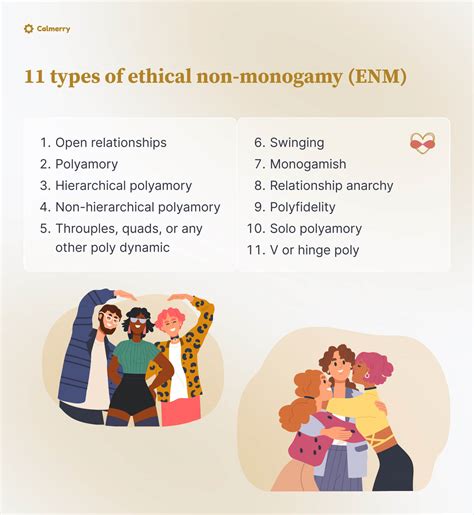
Hobart’s polyamory meetups often serve as gateways to more sexualized events. Relationship coach Elsie runs monthly workshops helping couples navigate jealousy before exploring group dynamics – “You can’t fix a crumbling marriage by adding more people.” These educational spaces have reduced catastrophic first-time experiences according to venue operators.
Are counselling services available afterwards?
The Hobart Clinic reports increased requests by participants processing emotional fallout. Senior psychologist Dr. Arlo Green observes seasonal patterns – “Post-summer festival episodes spike when alcohol mixes with experimental mindsets.” His team developed specialized screening tools to differentiate depression from temporary dysregulation.
What are the meteorological impacts in Tasmania?
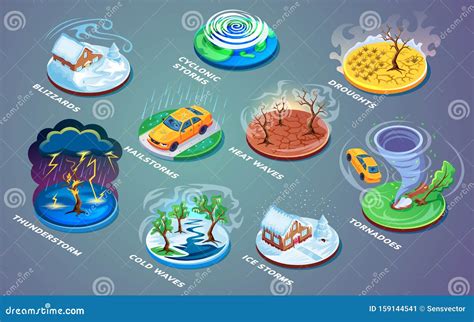
Winter events struggle with heating expenses in heritage buildings. One host cited $420 power bills keeping venues at 22°C for nudity-friendly comfort. Summer bushfire seasons disrupt outdoor gatherings – the 2019 Fingal Valley event cancelled midway when smoke became unbearable. Climate change introduces unpredictable variables into Tasmania’s already complex logistics.