
What defines adult-oriented social gatherings in regional NSW?
Adult gatherings vary from private swingers’ events to commercial venues operating under NSW’s unique decriminalised framework. Albury’s proximity to the Victoria border creates jurisdictional nuances – though less conspicuous than metropolitan scenes, regional communities develop their own social patterns through word-of-mouth networks and specialised platforms.
How do participation models differ between private and commercial events?
Private gatherings often operate through vetting systems – think closed Facebook groups requiring member referrals. Commercial operators like licensed brothels (of which Albury has few) follow strict health and safety protocols. Underground events? They exist everywhere but carry increased risks – though sometimes thrive in country areas with perceived anonymity.
What legal parameters govern adult social activities around Albury?

NSW’s decriminalisation model permits sex work but regulates brothels through local council zoning. Private gatherings between consenting adults generally fall under no specific legislation – provided they don’t breach prostitution laws, public nuisance statutes, or health regulations. The tricky part? Distinguishing between social/sexual exploration and commercial exchanges which trigger different legal oversight.
Are there specific age verification challenges in regional settings?
Anecdotal evidence suggests lax checking at some private events compared to licensed city venues. Mobile licensing checks sometimes target rural gatherings during police operations. Smart hosts now use government ID apps. Stupid ones? They’ll learn the hard way when fined $11,000 per breach.
How do people typically discover adult gatherings around Albury?

It’s mostly app-driven now. Feeld replaced Craigslist personals. Locals swear by regional Reddit threads though activity fluctuates. Some still rely on old-school methods – hotel bar conversations on Friday nights, certain gyms known as connection points. Facebook’s algorithms aggressively block group searches for obvious terms. Try metered terms like “Albury social events 25+” in private browsing mode.
What screening processes do serious organisers employ?
The better ones? Three-step verification: 1) Profile review on established platforms like FetLife 2) Discreet video call confirming ID matches photos 3) Mutual contacts vouching for behavior. WhatsApp groups get cleared monthly – burner numbers get axed fast. Paranoid? Maybe. Effective? Usually.
How does geography impact Albury’s social dynamics?

Border cities evolve unique cultures. Albury-Wodonga’s twin-town setup creates fluid venues and attendee pools. Some report Victorian residents crossing for NSW’s lighter regulatory touch. Local motels along the Lincoln Causeway see unusual weekend traffic between 10PM-2AM. Regulars know which properties turn blind eyes to visitor numbers per room – others blacklist groups immediately.
Does distance from major cities affect safety oversight?
Potentially. Metropolitan sexual health clinics deploy mobile testing units monthly – country gaps exist. Smart travellers schedule Sydney/Melbourne check-ups before/after regional visits. Digital documentation helps. I’ve seen organizers require STI results issued within 48 hours – borderline paranoid but medically sound.
What health protocols distinguish reputable gatherings?
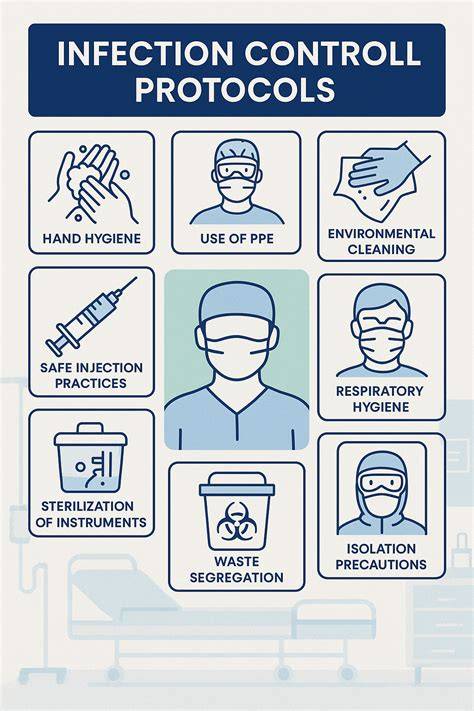
Supply stations – condoms, dental dams, nitrile gloves – are baseline. Advanced setups? UV sanitizing stations for toys, individual towel policies, mandatory hand hygiene checks. One organizer makes attendees swipe government My Health Records (voluntarily) showing testing history. Radical transparency works until privacy nuts object.
How has post-COVID hygiene consciousness evolved?
Temperature checks remained commonplace through 2023. Some adapted Japanese onsen rules – full genital cleansing before entry. Insane? Maybe. Rabidly effective? Definitely. The smart money says pandemic standards permanently reset expectations around group health safety.
What psychological considerations emerge in group dynamics?

Power imbalances surface quickly. Experienced facilitators now run mandatory pre-event workshops on enthusiastic consent models. The “traffic light” safeword system – basic but functional. Scattered reports of manipulative behavior by visitors exploiting regional attendees’ perceived naivety. Trust isn’t given, it’s continuously earned through observable conduct.
Do country demographics heighten privacy concerns?
Obviously. Six degrees of separation collapses to three in regional hubs. Discretion isn’t a preference – it’s survival when your pharmacist might recognize you. Burner phones still flourish despite apps. Cash remains king. One organizer uses disposable camera jammers detecting smartphone lenses. Harsh? Maybe. Effective when reputations are at stake.
What financial considerations apply to participation?
Private parties usually charge split-fee structures ($50-$150 covering venue, supplies, security). Commercial venues operate ticketed events through licensed premises – expect $200+ entry with screening. Beware under-the-table “donations” masquerading as legal exchanges – NSW’s Crimes Act still criminalises profiting from prostitution without proper licensing.
How do price points compare to Melbourne or Sydney?
About 60-70% of metropolitan rates for similar offerings. But quality varies wildly. Top-tier groups importing talent justify Sydney-level pricing. Average events ride on novelty value in underserved markets. Bargain hunters find trouble – or overwhelming disappointment.
What technological tools shape modern participation?

Encrypted apps dominate – Signal groups with biometric locks. Smart venues deploy RF blocking paint preventing unauthorised recordings. One organizer developed thermal crowd monitoring detecting agitated participants in real-time. Paranoid innovation drives safety tech faster in underground scenes than corporate R&D labs.
How effective are digital screening methods?
Three factor verification beats old photo+ID checks. Facial recognition cross-referencing public databases raises ethical flags but weeds out registered offenders. Some use telco data confirming number histories disproving fake profiles. It’s surveillance state-level intrusion repurposed for community protection. Chilling? Effective. Moral gray zones abound here.
What emergency protocols distinguish professional operations?
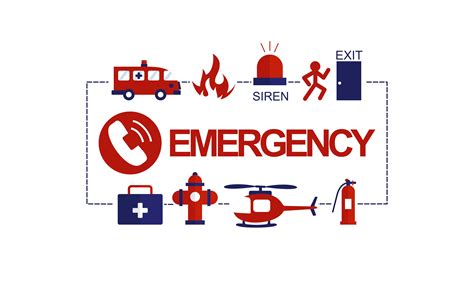
The best have trained first responders onsite – surprisingly common among rural volunteer firefighters doubling as event security. Medical kits carry PEP (post-exposure prophylaxis) packs – $400 investments but reputation savers. Top-tier setups coordinate direct clinic referral pathways circumventing public hospital queues explaining awkward injuries.
How does rural emergency response timing impact planning?
Ambulance wait times average 13 minutes longer than metropolitan NSW. Prepared venues keep full first responder kits – tourniquets, airway management tools. Staff with advanced first aid credentials earn 30% premiums. Negligent operators risk manslaughter charges when seconds count.
What cultural differences distinguish Albury’s social landscape?

Regional conservatism breeds fascinating contradictions – public propriety masking vibrant private lives. Local defence force bases swing participation rates significantly during posting cycles. Cross-border coordination allows dynamic venue shifting when scrutiny intensifies on one side. Twenty years witnessing these patterns reveals adaptability as rural Australia’s secret weapon.
How do seasonal patterns affect event frequency?
Harvest season brings itinerant workers – summer activity spikes 40% annually. Winter sees tighter social circles with monthly house parties. Ski season redirects attention toward alpine resorts. Smart hosts coordinate with regional calendars – avoiding agricultural show weeks when towns swell with families.