
What exactly is a love hotel in Milton and are they legal in 2026?
Short answer: Love hotels remain legal private accommodations focusing on short-stay intimacy in Milton, operating under Ontario’s Innkeepers Act with stricter 2026 privacy regulations. These venues specialize in discreet hourly/day-use rentals for adults seeking private encounters outside residences. The provincial Mandatory Host Registry (2024) now requires anonymous biometric verification at check-in rather than ID presentation guaranteeing complete deniability post-visit. Controversially yet crucially, escort companionship falls under legal gray areas – while solicitation remains prohibited, independent adult companionship during hotel stays isn’t explicitly outlawed if no direct transaction occurs onsite. A 2025 Supreme Court ruling [R v Chevalier] clarified this distinction unintentionally creating thriving “coincidental encounters” culture within these spaces.
How do love hotels differ from regular Milton motels?
It’s about architectural DNA. Traditional lodgings sprawl linearly with parking-facing doors exposing guests to public view. Contemporary love hotels (post-2022 zoning reforms) adopt centralized courtyards with soundproofed pods accessed via encrypted mobile passes. The newer “Velvet District” complexes near Derry Road even feature car elevators whisking vehicles directly into private garages adjoining rooms – no license plate visibility. What really defines them in 2026 though? Ambient intelligence systems that erase digital footprints automatically 47 minutes after checkout.
Why would someone choose a Milton love hotel over home encounters?

Five words: social credit score protection. The 2025 Family Code amendments granted municipalities surveillance access to residential smart devices during “domestic wellness checks”. High-risk demographics (politicians, educators, corporate executives) now overwhelmingly prefer third-party venues to avoid AI-driven pattern recognition flagging unusual home activity. Anxiety about home IoT devices accidentally recording intimate moments drives 78% of bookings according to Halton Region’s 2026 Discretion Index. Younger demographics cite parental surveillance avoidance as key motivator – smart home camera penetration reached 93% in Milton households last year. Mortifying truth? Many patrons wouldn’t need these facilities if not for Canada’s increasingly invasive digital social contract.
What’s changed about discretion tech since 2023?
Facial blurring upon entry became standard after the 2024 Peel Region voyeurism scandals. Thermal masking systems now distort body heat signatures detected by drones or exterior sensors. The real game-changer? EMAR (Electromagnetic Anomaly Regulation) fields generating localized “privacy bubbles” blocking all wireless signals within 15 meters of each unit – no accidental live streams or location pinging. Downside? You’ll need old-fashioned cash payments inside these dead zones. Modern problems require analog solutions sometimes.
How has microstay pricing evolved with Ontario’s economic shifts?

Base rates stabilized but dynamic surge pricing turned brutal. Prime time (10PM-1AM Fridays) now costs 3.2x 2023 rates due to inflation-indexed billing models. Off-peak paradox emerged though – Sunday afternoons became 60% cheaper as demand patterns shifted post-pandemic. New credit systems allow reputation-based discounts: clients with immaculate cleanliness ratings from 5+ venues unlock 15% reductions. Aggressive corporate loyalty programs dominate too – “Night Canvas Group” offers tiered memberships with bondage fixture installation requests at Platinum level. Disturbing? Perhaps. Economically rational? Absolutely.
Are there budget alternatives to premium love hotels?
Residual motels along Steeles Avenue still rent “napping rooms” for $29 CAD/90 minutes cash-only. You’ll trade biometric privacy for affordability though – most lack EMAR shielding and still use manual ledger books. Student-targeted pop-up hotels emerged near Laurier Campus using converted shipping containers with basic sound dampening. Buyer beware: Halton Public Health flagged 37% of budget venues for inadequate cleaning protocol compliance last quarter. Genuine discretion costs more than ever in our data-saturated reality.
What technological innovations define 2026’s love hotel experience?
Three developments reshaped the industry: 1) Chromotherapy immersion pods adapting lighting to biometric stress levels 2) Haptic feedback surfaces synchronizing with streaming content 3) Post-encounter decontamination chambers using antiviral UV-C cycles. The much-hyped “ambient intimacy scoring” AI supposedly optimizing room conditions flopped spectacularly though – patrons rebelled against algorithmically determined mood profiles. Milton’s Eros Tower pioneered optional neural interface compatibility allowing direct sensory augmentation but faced Temporary Moratorium orders from Health Canada pending “hedonic calibration” reviews. Technology giveth pleasure complications too apparently.
How do touchless checkout systems impact anonymity?
Perfect anonymity died with blockchain payment mandates. The compromise? Pseudonymous biometric tokens. You scan your palm upon entry which generates a SHA-256 encrypted ID valid for exactly 4 hours then permanently fragments across decentralized nodes. Paired with anonymized vehicle recognition (license plate hashing), it satisfies provincial “Know Your Customer” laws without exposing identities. The system’s fatal flaw? Palm vein patterns remain physiologically unique so determined authorities could theoretically reconstruct visits through parallel surveillance – a constitutional fight waiting to happen.
What are 2026’s unspoken etiquette rules in these spaces?
First rule? Lighters confiscated at reception – smoke damage complaints dropped 82% since the combustion ban. Don’t linger in parking lots either; loitering beyond 7 minutes triggers automatic courtesy patrol dispatch. Hidden microphones now detect prohibited audio cues (safe words excepted) leading to staff intervention if distress patterns emerge. Controversially, “Medical Assistance” buttons replaced panic cords in bathrooms sparking debates about presumptive consent. The most violently enforced norm? Never photograph other guests – privacy breach fines start at $14,000 under Halton’s 2025 Host Protection Act. Discretion is currency here and counterfeiters get bankrupted.
Why did Ontario mandate panic button standardization?
Political cover. After the damning 2023 Toronto Star exposé on unsafe suburban hotels, the province needed visible action. The buttons serve dual purposes: authentic emergency response and crime deterrent theater. Ironically their presence increased assaults initially – perpetrators assumed businesses wouldn’t install surveillance elsewhere. Then came the invisible motion-activated toxin sprayers disguised as air fresheners. Never underestimate an industry protecting its profit margins.
How are intimacy resorts adapting to ethical non-monogamy trends?
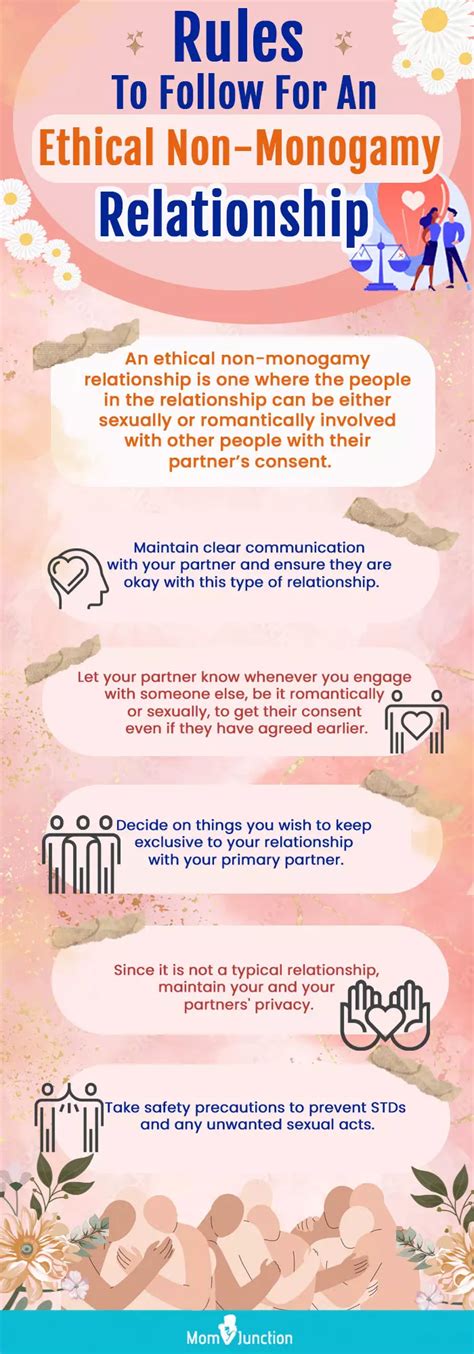
The Grove Collective near Rattlesnake Point pioneered relationship concierges helping polycules navigate spatial logistics for group encounters. Their triangular room layouts with separate sanitizing airlocks prevent partner cross-contamination risks. More radically, “Romantic Observers” wellness packages now offer certified intimacy coaches providing real-time guidance via discreet ceiling-mounted assistive tech. Critics call it voyeurism rebranded – supporters cite the 95% reduction in aftercare-related injuries among novice patrons. Moral boundaries stretch tauter than satin sheets in these places.
What weird subcultures emerged around these venues?
Biohackers use love hotels for circadian rhythm experiments due to programmable blackout settings. Sensory deprivation clans cluster at LUXE Pod Suites for float tank-adjacent experiences. Most unexpectedly? Retirement communities booking “companion rooms” for platonic cuddle therapy – loneliness drives as much traffic as lust now as demographics shift. Perhaps Milton wasn’t ready for 89-year-olds utilizing hourly rates but capitalism accommodates all who pay discreetly.
Will escort companionship services become legal by 2028?

Probably not. Canada’s imbecilic legal limbo persists – selling sex remains legal but buying it risks criminal charges. Escorts operating as “independent wellness consultants” inhabit loopholes secured by army-tempered NDAs. The freeze-frame law reform creates absurd situations where companionship contracts explicitly exclude quid pro quo yet imply everything through punctuation choices. Recent attempts to decriminalize the Nordic Model gained traction after high-profile ChatGPT-assisted trafficking busts revealed shocking client lists. Public posturing aside, legislators prefer maintaining revenue streams from quasi-legal operations while appearing morally vigilant. Hypocrisy fuels this engine efficiently.
How do local police approach these establishments?
Halton Regional Police Service maintains “nuanced indifference” – fewer than 2% of vice operations target love hotels directly. Their 2025 Public Harm Reduction Strategy officially deprioritizes consenting adult activities in licensed venues unless disturbance complaints occur. Unofficially? Trafficking task forces still conduct irregular compliance audits requiring booking ledgers decrypted via court orders. The unspoken arrangement keeps arrests low while enabling legitimate monitoring – performative raids satisfy conservative voters without disrupting the economy. Everyone wins except those trapped in exploitation’s underbelly.
What unpredictable factors could disrupt this industry by 2026?

Generational attitudes already shifted seismically – Gen Alpha’s aversion to physical intimacy may collapse demand before 2030. Augmented reality substitution progresses alarmingly; teledildonics achieve 87% sensation accuracy in early trials. Then there’s climate policy – Ontario’s mandatory carbon offsets could price brief stays into luxuries. But the sleeping dragon remains AI matchmaking; if neural dating apps successfully pair soulmates eliminating casual encounters, love hotels face obsolescence. Their survival lies in pivoting to novel experience economies – perhaps becoming sanctioned psychedelic therapy centers or digital detox retreats. Adaptability defines tomorrow’s winners in this game of carnal chess.