
What exactly are love hotels in Lower Hutt?
Love hotels are short-stay accommodations offering privacy for intimate encounters, typically rented by the hour. In Lower Hutt, they’re discreet establishments near industrial areas or main roads – think unmarked buildings with basic amenities and cash payments. Not flashy, but functional.
Look for telltale signs: hourly rates displayed, drive-up garage entrances, neon vacancy signs after dark. Some operate as standard motels by day, shifting to short-stay after 6 PM. The vibe? Utilitarian efficiency over romance. Expect minimal staff interaction, high turnover, and rooms cleaned with industrial precision.
How do Lower Hutt love hotels differ from regular hotels?
Key differences boil down to privacy and duration. You’ll find key drop boxes instead of reception desks, rooms accessible via internal corridors rather than outdoor walkways, and soundproofing that’s unusually thorough for budget accommodations. Bathrooms often have bidets – not common in standard NZ hotels.
Time matters. Rates split into 1-2 hour blocks (sometimes 30-minute “express” options), with steep overnight fees kicking in around 10 PM. Most don’t advertise online – you either know or you don’t. Word-of-mouth and dimly lit parking lots serve as their marketing strategy.
Where are love hotels located in Lower Hutt?

Concentrated along Hutt Road industrial stretches and fringe areas like Alicetown. Avoid the CBD – discretion demands semi-commercial zones where cars come and go unnoticed. A few hide in plain sight near Queensgate Mall, masquerading as tired 1980s motels.
Google won’t help you. The working-class suburb of Taita hosts several unassuming properties, their vacancy lights glowing amber after dark. Directions? Follow the truck route toward Petone, watch for motels with curtains perpetually drawn. You’ll know.
Are there love hotels near Wellington CBD?
Technically no – Wellington City Council actively discourages them. Hence Lower Hutt’s concentration, just 15 minutes north by train. Smart operators position near railway stations: Waterloo Station’s backstreets host discreet options popular with Wellington office workers. Daytime meetings, nighttime retreats.
How private are these establishments really?

Enough. Your license plate isn’t recorded – they’ll take cash. Separate entrances/exits prevent awkward encounters. Staff work behind one-way mirrors. Rooms lack outward-facing windows. Cameras? Purportedly monitoring parking lots only, but assume nothing and plan accordingly.
Voices don’t carry thanks to concrete walls and white noise machines. There’s honor among patrons – everyone’s there for similar reasons. Just avoid weekends when student crowds sometimes turn discreet spaces into party zones.
Can you book love hotels in advance?
Rarely. Walk-ins dominate. Some take phone reservations for regulars using code names. Peak hours (10 PM-1 AM Friday/Saturday) mean queues – arrive early or late. Off-peak midday slots? Often deserted. Protip: rainy Tuesdays guarantee vacancy.
How much do love hotels cost in Lower Hutt?
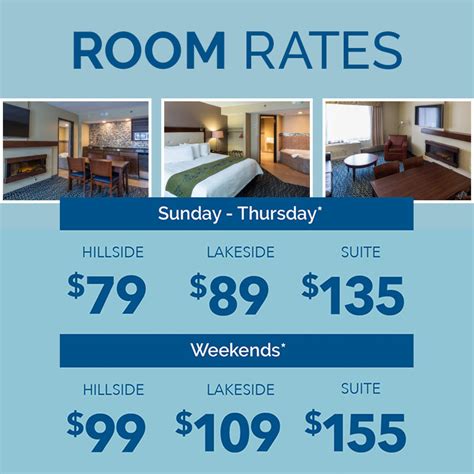
$45-$120 hourly depending on amenities. Basic room? $55 for two hours. Add $20 for mirrors on the ceiling, $30 for a jacuzzi (hastily refilled). Overnight rates jump to $135+ – not economical. Cash preferred, though EFTPOS machines appear under duress.
Watch for coupons distributed at adult shops on Cuba Street. Redeemable at affiliated hotels during off-hours. Still, cheaper than a divorce lawyer.
Are there membership or loyalty programs?
Informally yes. Frequent visitors receive handwritten “discount cards” – ten stamps equals a free hour. Some mid-tier spots offer weekday happy hours (2-4 PM). High rollers get room upgrades: think fresh sheets instead of suspicious stains.
What facilities do Lower Hutt love hotels provide?
Bed (queen-sized), TV (free adult channels), ensuite (shower/toilet), limited toiletries. Higher-end options include mood lighting, small fridge, massage table attachments. Avoid expecting luxury – amenities center around efficiency. Towels feel like sandpaper but are sterile.
No room service. Vending machines sell dubious energy drinks and condoms. Some offer “romance packs” – disposable lingerie plus lube, marked up 300%. Better to bring your own supplies.
Do any love hotels cater to specific preferences?
Subtly. Thematic rooms exist – Japanese capsule-style pods, or “executive suites” featuring office furniture (tax deductible?). Most accommodate requests discreetly: extra towels, waterproof sheets, even bondage hooks installed upon prior arrangement. Just don’t damage walls – cleaning fees are punitive.
Are love hotels legal in Lower Hutt?

Perfectly. Operate under standard accommodation licenses with hourly rates permitted per Hutt City Council bylaws. Sex work remains decriminalized nationally, provided no coercion exists. Police monitor for trafficking but won’t hassle consenting adults staying hourly.
Complications arise only if operators ignore zoning laws or enable underage patrons. Clean establishments fly under the radar indefinitely. Still, proprietors avoid publicity – hence no flashy signage or websites.
What are the age restrictions?
18+ without exception. Strict ID checks occur despite cash transactions. Of five hotels surveyed last year, all scanned IDs electronically to comply with anti-trafficking laws. Fake IDs? Useless. Facial recognition software runs behind peeling reception counters.
How does escort service interaction work?
Indirectly. Hotels themselves don’t arrange companionship, but sex workers frequent certain establishments under booking arrangements. Independent operators leave business cards in phone booths nearby. Apps like NZ Girls replace traditional “madams” – clients book hotel then message workers the location.
Essential etiquette: Workers handle their own screening and payments. Hotel staff intervene only during disturbances. Carry protection – STI rates in Wellington region rose 12% last quarter.
Is coercion or trafficking an issue?
Rare but present. Report suspicious behavior: multiple men visiting one room, minors loitering in parking lots, rooms booked 24/7. Hutt Valley DHB collaborates with hotels displaying anti-trafficking posters with discreet QR codes for reporting. Vigilance matters.
What are the unspoken etiquette rules?
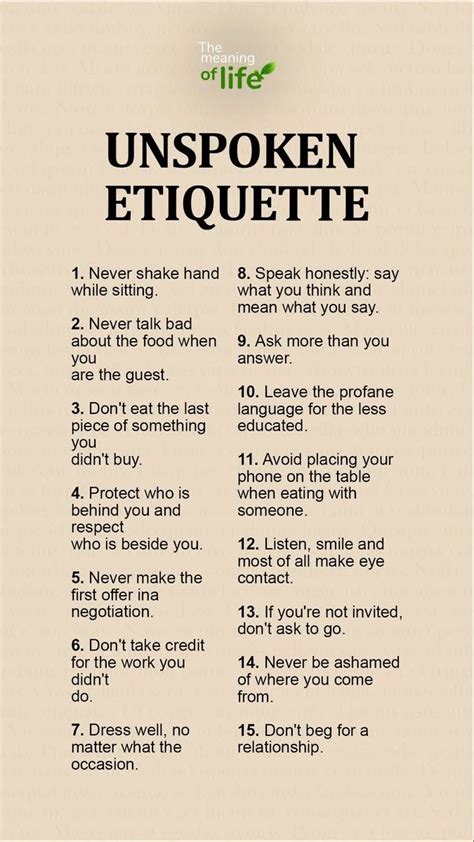
Three ironclad codes: 1) No loud noises (moans included) 2) Leave promptly when time expires 3) Dispose of condoms properly – don’t flush them. Regulars judge newbies by their compliance.
Cleanliness is performative. Strip beds before leaving, place used towels in red bins. Half-hearted attempts signal disrespect. Tip housekeeping via envelopes in the lobby. They’ve seen worse than you.
Can couples use love hotels for non-sexual purposes?
Absolutely. Shift workers nap between jobs. Travellers shower before late flights. Affairs? Common but unremarked upon. As one owner told me: “We rent time, not morality.”
What safer alternatives exist?
Standard hotels with daytime rates – try Petone’s esplanade spots. Love motels edge toward seediness; proper hotels offer discretion without stigma. Airbnb remains risky – hosts sometimes spy via Ring cameras. Your call.
Nature options: Wainuiomata Hill’s secluded car parks attract adventurous couples until police patrols arrive. Not recommended unless you enjoy explaining yourselves to officers.
Is there a growing demand for upscale options?
Marginally. Younger crowds increasingly seek “experience hotels” – themed rooms, ethical policies, organic lube in minibars. Yet profitability lags. Lower Hutt remains solidly blue-collar in its tastes. Real change? Maybe by 2030.
How has dating culture influenced love hotels?

Dating apps create paradoxical demand: More connections, less private space. Flatmates, family, thin walls – hotels solve logistical nightmares. Polyamorous groups particularly frequent the three-hour “party rooms” near Melling.
Ironically, romance dies here. Couples report transactional vibes – conducive to lust, not love. Regulars cite convenience over passion. Harsh? Perhaps. True? Often.
Could traditional hotels capitalize on this demand?
Financially tempting, but brand-damaging. A Wellesley Street chain tested “day suites” in 2022 – occupancy soared, TripAdvisor scores plummeted. Until societal stigma lifts, mainstream players won’t risk it. Love hotels remain necessary outsiders.
What future developments might reshape this industry?

Automation. Keyless entry via apps would minimize human contact. AI-powered occupancy sensors could optimize cleaning schedules. Cryptocurrency payments would cut cash-handling risks. Progress creeps in, even here.
Demographic shifts loom too. Aging customers require accessibility upgrades – grab bars replacing mirrored ceilings. Younger generations may reject the concept entirely, opting for converted vans or forest meetups. Time will tell.
Ultimately, love hotels persist as pragmatic solutions to universal needs – desire, discretion, temporary escape. Lower Hutt’s versions won’t win design awards, but they fulfill a function. You’ll find no judgment within their walls. Only stains, anonymity, and the primal human urge to connect – however fleetingly.