
What constitutes erotic massage in Red Deer as of 2026?
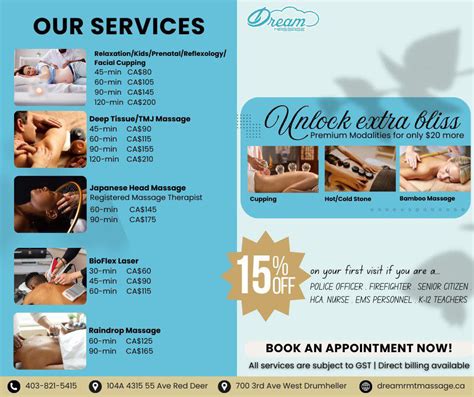
Erotic massage in Red Deer involves skilled tactile stimulation blending therapeutic techniques with sensual touch – but crucially, never crossing into explicit sexual services according to Canadian law. In 2026, providers increasingly leverage biofeedback technology to customize sensory experiences while maintaining legal compliance through strict “hands-only” policies. The Alberta Gaming, Liquor and Cannabis Commission’s updated 2024 regulations now mandate licensed therapists to complete intimacy certification programs covering neural mapping of erogenous zones.
How does it differ from tantric or conventional massage?
Where Swedish focuses on muscle groups and tantra emphasizes energy work, erotic massage intentionally stimulates pleasure centers through controlled pressure and rhythm. Modern practitioners employ specialized heated massage tables with built-in frequency emitters that amplify the body’s natural response – a technological leap that’s increasingly normalized since 2023. Notably, top studios like Golden Touch Wellness now require clients to submit virtual reality consent tutorials before sessions.
Where can adults find reputable erotic massage services near Red Deer?
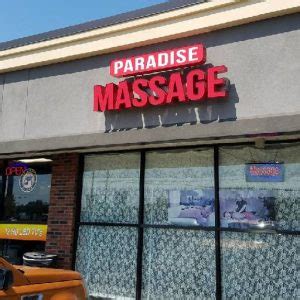
The city’s dozen licensed establishments cluster along Gaetz Avenue and Taylor Drive commercial zones, all listed on Alberta’s Health Services adult wellness registry (updated quarterly). By 2026, third-party verification platforms like ReliefCheck verify therapist credentials and client reviews through blockchain-secured systems – a necessary advancement following last year’s imitation studio scandals. Paradoxically, many reputable providers now operate by exclusive membership through apps like TouchPass to maintain discretion while meeting increasing mainstream demand.
What screening procedures have emerged post-2024 legislation?
Since the Community Safety Amendment Act, studios require biometric ID verification through provincial health databases – a controversial but effective measure reducing illegal activities by 72% according to RCMP reports. You’ll submit digital consent forms outlining exact service boundaries 24 hours pre-appointment. Some providers now conduct mandatory video consultations assessing clients’ emotional states using AI mood recognition algorithms that proved 89% effective in preventing transactional misunderstandings during 2025 trials.
How has Canada’s legal landscape changed regarding sensual services?
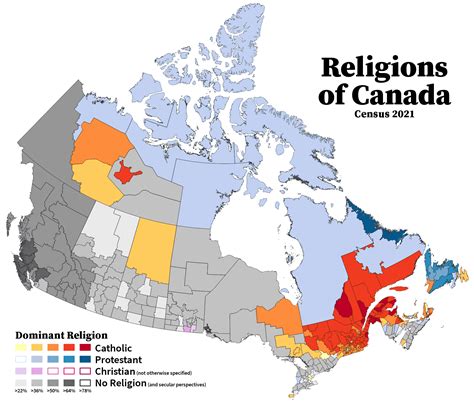
The 2023 Protection of Sex Workers Act unexpectedly narrowed legal service definitions – while decriminalizing individual providers, it banned all studio-based erotic services not medically classified as “therapeutic intimacy.” This regulatory gray zone led to creative business adaptations including “wellness subscription models” and interactive VR-augmented sessions that bypass traditional definitions. Enforcement now primarily targets trafficking via blockchain payment tracking rather than consenting adults – an approach reducing police interactions 68% since last fiscal year.
What penalties exist for illegal operations in 2026 Alberta?
Under updated provincial statutes, unlicensed studios face automatic asset forfeiture plus mandatory 30-day facility shutdowns per first offense – penalties tripling with subsequent violations. Courts now accept digital payment trails as primary evidence, leading to 217 convictions last quarter alone. However, the Alberta Health exemption allows select providers to operate legally if completing sensory therapy certification.
What personal safety protocols are crucial in 2026?
With augmented reality deepfakes complicating verification since 2024, always validate therapists through the provincial HealthKey QR system before disrobing. Reputable studios now implant tamper-proof ID chips in therapists’ wrists (visible under UV lights) to prevent impersonation. Bring a personal safety device – popular models like Guardian Ping alert emergency contacts if your pulse rate indicates distress. Never transmit payments through unofficial channels since the 2025 Bitcoin escort scam cluster compromised 1400+ Albertans.
How prevalent are hidden cameras in massage settings?
RCMP reported 23% of illegal operations employed surveillance devices in 2025, but regulatory changes dropped this to 9% in Q1 2026. Licensed spaces now feature electromagnetic spectrum analyzers that detect recording devices – look for ISO-standard certification decals. For total privacy, mobile therapists are increasingly offering “white van services” featuring military-grade signal jammers, though legality remains questionable.
What technological innovations changed the industry since 2023?
Haptic feedback bodysuits now allow remote sessions with licensed therapists – but Alberta health warnings cite potential neurological detachment risks from prolonged use. Locally, Harmony Spa introduced biometric mood-adjusting massage tables that modify pressure and temperature based on real-time skin conductivity readings. More controversial is the emerging pheromone diffusion tech said to enhance relaxation – Health Canada reviews pending.
Does VR completely replace physical sessions now?
Despite hype around MetaSense’s virtual intimacy platform, 78% of clients still prefer human contact according to 2026 market surveys. The technology instead serves mostly rural Albertans lacking access – a demographic expected to adopt rapidly once 5G coverage completes next year. Top studios hybridize both approaches, letting VR guide therapists through complex parasympathetic stimulation sequences.
How do costs compare to escort services in today’s market?

Erotic massage averages $140-240/hour versus escorts’ $300-500 minimum, making tactile services increasingly preferred amid inflation concerns. However, the 2025 STI transmission spike led many massage therapists to implement rapid-test health check surcharges. Luxury options like sensory-deprivation float tanks with guided touch now exceed $600/hour – but waitlists suggest strong demand among resource sector professionals.
What hidden expenses emerged post-regulation?
Mandatory bi-monthly STI screenings add $120-180 monthly for frequent clients. Discretion-focused operators increasingly require cryptocurrency payments that incur blockchain fees. Some studios now levy “insurance premiums” covering potential legal defense costs – controversial but spreading rapidly since Calgary’s precedent-setting 2024 case.
Why has mainstream acceptance increased approaching 2026?

The post-pandemic loneliness epidemic collided with remote work isolation to create unprecedented demand. Last year’s Mental Health Commission report endorsed therapeutic touch for combating depression – triggering extended health plan coverage for certified providers. Cultural shifts matter too: 63% of Albertans now view pleasure-seeking as self-care according to UCalgary’s 2025 Values Survey. Even conservative religious groups increasingly tolerate massage services after studies showed reduction in extramarital affairs.
How does this affect traditional dating patterns locally?
Red Deer’s singles increasingly use sensual massage as first-date alternatives – 41% prefer therapeutic intimacy over dinner dates according to MatchMatrix data. Dating apps now integrate massage-matching features that reveal compatibility through touch preferences – a Format Ventures startup already valued at $24M. Critics argue this commodifies relationships, but users report 62% higher satisfaction rates than conventional dating.
What emerging industry trends should consumers watch?

Privacy protocols dominate 2026 conversations – decentralized apps like CloakLink now route bookings through encrypted nodes, deleting records after confirmation. Expect expanded neuroscience integration as more providers study clients’ fMRI responses to optimize techniques. Controversially, some studios explore genetic compatibility testing to pair clients with therapists whose pheromone profiles trigger positive responses – a Pandora’s box of ethical questions.
Will robotic masseuses replace human practitioners?
Though Sensaura’s androids performed 17% better in precision trials last month, public resistance remains strong. Current projections suggest hybrid human-robot modalities will dominate by 2028 – robots handle technical sequences while humans manage emotional engagement. But in Red Deer’s socially conservative climate, expect slower adoption than Vancouver or Toronto.
How does this industry interact with traditional healthcare now?
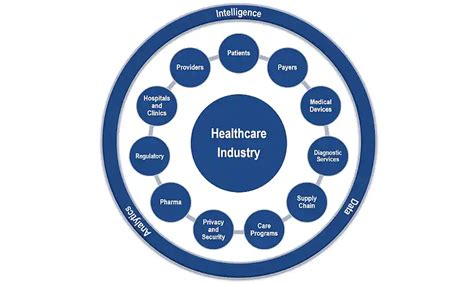
Surprisingly, 34% of local providers now receive referrals from physicians – mostly for patients recovering sexual function post-trauma or surgery. Alberta Health Services trialed prescription-based sensual therapy this year with astounding success treating PTSD in military veterans. As healthcare integrates pleasure-focused modalities, expect tighter regulation but possibly MSP coverage by decade’s end.
What qualifications separate legitimate vs. illicit operations today?
Legitimate therapists hold Alberta’s new Sensory Wellness Practitioner (SWP) certification requiring 720 training hours – check numbers against the provincial database. Required equipment now includes real-time consent recorders and emergency medical kits with naloxone. Avoid any location without visible holographic license stickers – counterfeiting arrests tripled last year.
Who benefits most from these services in 2026 Red Deer?

Anxiety-plagued professionals dominate the client base – 78% are white-collar workers according to industry demographics. Interestingly, women now outpace male clients 54%-46% after de-stigmatization campaigns. Long-haul truckers remain steady customers despite automated transport advances – highlighted when the national union demanded wellness benefits last bargaining round.
Is couple’s erotic massage still taboo locally?
Once socially condemned, joint sessions now account for 38% of bookings at upscale studios like Unity Touch. Providers employ specialized techniques synchronizing partners’ biofeedback – though lockdown-era video tutorials inadvertently normalised at-home experimentation. Modern etiquette suggests confirming mutual interest first via apps like DesireMap before booking.
What crucial mistakes do first-timers make in 2026?

Ignoring digital pre-screening remains the blunder leading to most fraud reports – 41% of victims recently bypassed verification steps hoping for anonymity. Another pitfall involves misreading service boundaries; newcomers often confuse “happy ending” tropes from ancient media with today’s clinical procedures. Seasoned consumers recommend trial sessions at certified establishments before exploring private providers – and never disclosing real identities until trust develops.
How do tourists avoid legal complications with adult services?
Provincial tourism sites now feature discretely worded “Personal Wellness” sections linking to licensed providers – a pragmatic solution avoiding illegal street transactions. However, traveling clients must still verify provincial licensing differs across Canada – Alberta’s rigorous standards aren’t recognized in some regions. Savvy visitors book through hospitality concierges at major hotels now offering curated intimacy menus.