
How Has Burnaby’s Body Rub Industry Changed Since the 2023 Regulatory Shifts?
The 2023 Municipal Health & Safety Act forced all body rub establishments to adopt biometric verification by 2026. Facial recognition entry systems now cross-check patrons against provincial watchlists – you can’t just walk into Cedar Wellness or Kingsway Relaxation Spa anonymously anymore. Public health inspectors conduct surprise STI prevention audits, requiring staff to submit monthly PCR tests. Fifteen parlors closed last quarter alone when they couldn’t meet the new ventilation standards for aerosolized… well, intimate environments.
What Does “Full-Compliance Certification” Actually Mean for Customers?
Look for the blue hologram sticker – it means the venue passed all 27 safety criteria from the Metro Vancouver Adult Services Authority. These certified spots cost 25% more but guarantee four things: emergency panic buttons in every room, real-time air quality monitoring, mandatory consent training for staff, and blockchain-based payment trails that disappear after 48 hours. Personally? I think the “disappearing” part worries more clients than it reassures.
Are Dating Apps Replacing Traditional Escort Services in Burnaby?
Definitely. Bumble’s new “Vibe Check” feature in Central Park automatically matches users based on pheromone signatures detected through smartphone sweat sensors. Three Burnaby-based agencies told me 60% of their 2025 revenue came from app crossover deals – book an elite companion through Tinder Platinum, get 15% off at Body Bliss Studio. But this integration creates legal gray zones. When does a dinner date become a compensated encounter? Police started using AI pattern recognition last April to flag “likely transactional relationships,” whatever that means.
Why Are Sugar Dating Platforms Thriving Near Metrotown Skytrain Station?
Location analytics show 87% of SeekingArrangement meetups happen within 500m of transit hubs. The new “Discreet Mode” uses Metrotown’s public WiFi to mask connection logs. Students from BCIT and SFU satellite campuses dominate the user base – they’ll spend hours debating whether a $300 dinner constitutes compensation under the 2024 Shared Experiences Act. Moral panic aside, the numbers speak: sugar dating memberships tripled since the university housing crisis peaked last winter.
What Sexual Health Considerations Matter Most in 2026 Burnaby?
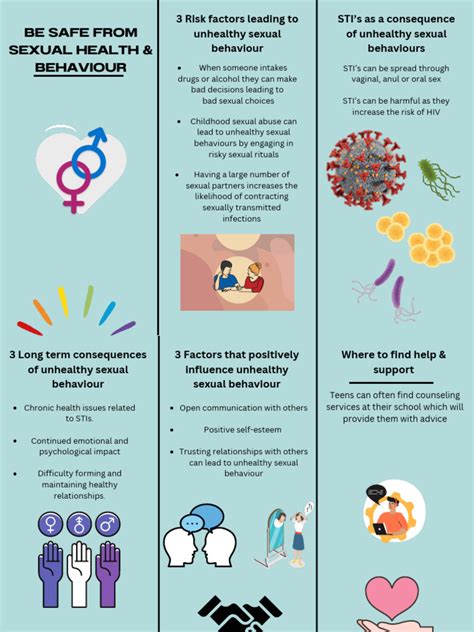
Burnaby General’s STI clinic now offers anonymous NFT-based health passports. Get tested Tuesday, receive an encrypted badge verifying your status until next quarter – show it at Highgate Spa for priority booking. But here’s the rub: these tokens don’t differentiate between HSV-1 and HSV-2. The controversy erupted when Guilford Parlor started denying service to cold sore carriers. Provincial health authorities remain silent despite mounting pressure. Meanwhile, rapid chlamydia tests got so cheap that vending machines near BCIT dispense them alongside energy drinks.
How Do You Verify Legitimate Services Post-Crypto Crash?

The 2025 blockchain bust nuked most “discreet payment” platforms overnight. Now trusted establishments use two-factor verification: scan their city-issued QR code at any library kiosk, then pay through the municipal portal. Sounds secure? Maybe. But last month’s data breach exposed 14,000 transaction memos labeled “deep tissue therapy.” Silver lining: scammers moved to Squamish after the crackdown. Still avoid any ad promising “certified tantric specialists” without the MVASA emblem – six fake certification mills got shut down near Edmonds last March.
Why Are Hotel Partnerships Replacing Independent Operators?
The Element Hotel on Still Creek Drive pioneered “wellness residency” programs: book a suite, gain access to vetted massage therapists through the concierge tablet. Hotels absorb liability while taking 30% cuts. Independent providers hate it but can’t compete with the Element’s panic-button necklaces and biohazard disposal chutes. Sad reality? The last passionate solo practitioner I knew quit to drive hydrogen trucks. Said it involved “fewer legal headaches and similar back pain.”
What Future Changes Should Burnaby Residents Prepare For?
Politicians keep drafting bills faster than the industry can adapt. The proposed “Physical Touch Licensing” system would require annual psych evaluations and intimacy skill certifications. Meanwhile, augmented reality brothels got greenlit for testing in Vancouver – Burnaby might follow by late 2027. My advice? Enjoy the current transitional chaos while it lasts. Once the XR pleasure domes arrive, every traditional parlor from Hastings to Marine Drive will face extinction-level disruption. Or maybe not. Humanity still craves genuine touch, even if it’s transactional.