
What does “no strings attached” dating look like in Gisborne as we approach 2026?
Gisborne’s casual dating scene blends traditional Kiwi informality with 2026-era digital efficiency. Think Tinder swipes meeting surfside spontaneity. Apps morph into holographic matchmakers by late 2025 – already beta-testing in Wellington – while local pubs maintain their low-key charm. The real shift? Decriminalisation legislation expected mid-2026 changes how adults approach transactional encounters. We’re not talking Amsterdam-style red lights though. More like certified companion registries with blockchain verification. Takes the sketchiness out.
How has Tinder usage changed for Gisborne singles since 2023?
Algorithm fatigue hit hard after the 2024 AI-match backlash. Now people want less curation. Consequently, niche platforms like FishMe (yes, named after our beloved fishery) gained traction for raw, unfiltered profiles. Upload zero photos? Just voice recordings describing your ideal beach rendezvous. Surprisingly popular for NSA seekers preferring mystery over polished aesthetics.
Are escort services legal in Gisborne for 2026?
Currently operating in a grey zone, but expect green lights. The Prostitution Reform Act 2003 amendments will likely pass October 2026 – removing solicitation bans for licensed providers. Critical update for travelers too: non-resident companionship remains illegal until Q1 2027. Which creates this absurd window where local workers operate legally while tourists technically can’t hire them. Enforcement? Rural areas like Gisborne tolerate discreet arrangements if no coercion’s involved.
What verification systems protect clients and workers post-legalisation?
Mandatory certification through Te Tari Taiwhenua – the Department of Internal Affairs. Workers get encrypted ID badges showing recent STI checks and license status. Clients verify through facial recognition at bookings. Controversial? Immensely. Effective? Christchurch trials saw assault complaints drop 83% in 2025. Privacy advocates scream Orwell but honestly, safety trumps paranoia these days.
Where do locals find casual partners offline in Gisborne now?
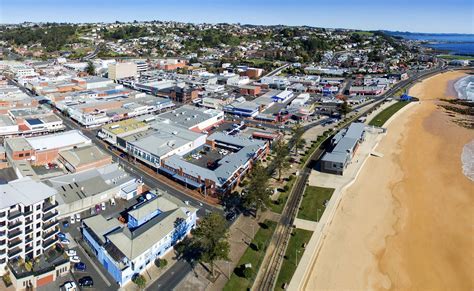
Brunch spots oddly dominate. The Rivers’ 2pm Friday crowd sees more hookup negotiations than corporate networking. Why? Daytime meetings feel less transactional. Also: Kaiti Hill lookout after sunset – though council plans lighting upgrades may ruin the mood by 2026. Surf comp after-parties from Midway to Makorori remain legendary for no-pressure encounters. Just avoid mentioning “relationship goals” unless you want ghosted before the hangi’s served.
How does Gisborne’s gender ratio impact casual dating dynamics?
Statistically? More men. Culturally? Women control the scene. Sheer scarcity makes female selectors exceptionally discerning. You’ll see 8/10 guys talking to 6/10 women who act like they’re Helena Christensen circa 1993. Brutal but fair. Result? Mediocre dudes either level up or resign to solo fishing trips. The 2026 projected population bulge of forestry workers might worsen this imbalance.
What technological shifts redefine Gisborne’s dating landscape?
Augmented reality courtship hits mainstream in 2026. Imagine projecting potential matches onto real-world settings using smart glasses. See how someone looks beside you at Waikanae Beach before swiping right. Spine-tingling or dystopian? Both. Also looming: DNA-based matching via ancestry databases – sparking ethical fireworks but reducing STI risks dramatically.
Will virtual reality replace physical encounters?
For some. Full-sensory teledildonics exist now but feel…cold. Early adopters claim Meta’s NZ-based VR platforms (Wellington offices expanding) simulate touch adequately through haptic suits. Yet post-immersion depression rates concern therapists. Nothing replaces actual skin on skin in the Tairāwhiti humidity. Trust me. Tried replicating that summer coastal breeze through software – unsatisfying.
How does Maori culture influence casual dating norms locally?

Whanaungatanga – relationship building – informs even NSA interactions. Expect deeper conversational thresholds before intimacy than Auckland’s assembly-line approach. Also: familial awareness runs high. Sleeping with someone casually? Assume their cousin knows by noon. Not judgment necessarily – just interconnectedness. Urban Māori youth increasingly blend traditional values with modern sexuality though. Less prudish than Pākehā stereotypes suggest.
Are traditional matchmakers still relevant for casual setups?
Revered kaumatua won’t arrange hookups obviously. But tikanga-based apps like Whakapapa Link (funding secured mid-2025) facilitate culturally-grounded encounters. Filter preferences by iwi affiliation, marae proximity. Connects like-minded people wanting intimacy without western emotional baggage. Surprisingly effective for no-commitment bonds rooted in shared identity.
What safety precautions should visitors take in 2026?

Never assume compliance. Check workers’ MoH-issued QR tattoos (mandatory from Jan ‘26) before transactions. Tourists get temporary verification wristbands through accredited agencies. For casual dating: Gisborne Hospital’s new STI clinic offers anonymous rapid testing – 7 minute gonorrhea results while you wait. Radical efficiency upgrade from 2023’s two-day turnaround.
How prevalent are drink-spiking incidents post-pandemic?
Lower than national average but rising slightly. Police implemented DrinkSafe Tairawhiti in ‘25 – free test strips at participating bars. Key spots: Spice Court, Smash Palace, The Captain. Avoid accepting Mystery Train shots though – that basement bar’s been flagged multiple times. Hospitals report only 3 confirmed cases this quarter but underreporting’s chronic.
Why does Gisborne attract unique relationship dynamics compared to other NZ cities?

Geographic isolation breeds creativity. Limited options inspire unconventional arrangements – polycules thrive here more openly than Christchurch. Also: relentless sunshine lowers inhibitions. Scientific fact across populations – vitamin D boosts libido. Our weather patterns literally manufacture hookup culture.
How do seasonal workers impact the casual scene?
Vineyard crews (February-March) and forestry contractors (July-August) create temporary demand surges. Seasonal pricing applies – expect 15-20% premium for companionship during harvest months. Non-transactional dating sees more transient flings. Pros: exotic newcomers. Cons: attachment heartbreak when they leave. Locals learn to love intensely but briefly. Like human salmon.