
What defines relationship-seeking behaviors in L’Assomption?
Connection patterns here mirror Quebec’s cultural duality—formal privacy norms coexisting with vibrant underground social networks. The riverfront town’s proximity to Montreal creates unique hybrid dynamics where traditional values intersect with metropolitan influences. Thursday nights at Bar Le Fût reveal more than poutine cravings—it’s where social reconnaissance happens through coded language and subtle gestures.
How do adults typically meet new people here?
Three primary vectors: agricultural festival circuits (think Festival de la Courge), specialized interest clubs masking deeper intentions, and the ever-present digital undercurrent. Surprisingly, the local library’s French literature nights facilitate more connections than mainstream dating apps—whispered conversations between Balzac stacks often lead to complicated rendezvous.
What legal frameworks govern adult activities in Quebec?
Canada’s Criminal Code sections 286.1-286.5 create paradoxical boundaries—permitting certain private acts while criminalizing their facilitation. Quebec’s civil law tradition adds layers of nuance regarding contractual agreements between consenting parties. Recent jurisprudence from R v. Comeau suggests law enforcement prioritizes exploitation prevention over persecuting private arrangements.
Are group arrangements explicitly illegal?
Not inherently. The legal devil resides in transactional details and power imbalances rather than participant counts. The 2014 Bedford ruling decriminalized private acts but left gray areas around organized gatherings. Smart operators use “contribution-based” models avoiding explicit exchange terms. Still, municipal bylaws regarding noise and occupancy regularly ensnare careless enthusiasts.
How do safety protocols differ for non-traditional arrangements?
Practical rule #1: Hotel Espresso on Rue Saint-Pierre becomes neutral territory for initial meetups—public yet discreet. Veterans employ coded safety checks: particular drink orders signaling clean STI panels, specific jewelry indicating vetting completion. The real danger isn’t physical harm but reputational exposure in this tightly-knit community where everyone’s cousin works at the Journal de L’Assomption.
What health resources do locals actually use?
CLSC de L’Assomption’s unmarked back entrance services exist precisely for discreet testing. Dr. Tremblay’s private practice near the old mill handles “specialized panel requests” without judgment. Underground networks distribute prophylactics stamped with ironic maple leaf designs—a nod to Canadian discretion.
Why do digital platforms underperform here?

Local distrust manifests technologically. Mainstream apps die on the vine while Telegram groups with shifting names (Les Amis du Vieux-Port → Club Nautique) thrive through referral chains. A peculiar analog-digital hybrid emerges: encrypted messages coordinating meetups at physical bulletin boards in Parpieu Forest’s trailhead kiosks.
Which niche platforms gain traction?
Sniffies maps hint at activity zones without direct engagement. FetLife groups masquerade as historical societies. The real action happens on custom-built CRMs repurposed from farming co-op management software—because nothing says discretion like inventory tracking metaphors.
How does tourism impact local dynamics?
Montreal’s spillover creates seasonal waves—weekend warriors seeking “authentic rural experiences.” Savvy locals exploit this through AirBnB Experiences marketed as “artisan intimacy workshops.” The October pumpkin harvest sees surprising overlap between legitimate agritourism and… alternative networking opportunities.
Do hospitality workers facilitate connections?
Not directly—that’s how licenses disappear. But bartenders at Chez Maurice practice strategic neglect, “accidentally” leaving certain tables unattended for extended periods. Hotel desk clerks magically lose key records when particular guests inquire about room upgrades. These deniable conveniences grease social wheels without crossing legal lines.
What cultural particularities shape behaviors here?
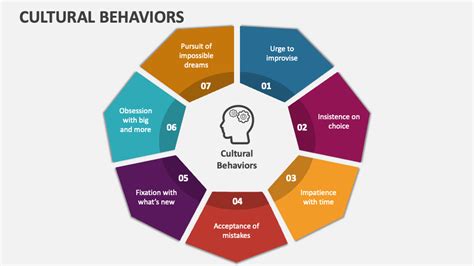
Joual dialect codes permeate interactions—a drawn-out “tabarnak” conveys more than frustration. The Catholic legacy manifests in paradoxical ways: ornate confession booths transformed into meme-worthy meeting points, tongue-in-cheek references to sainthood during negotiations. Winter’s isolating effect breeds creative problem-solving—icicle metaphors abound during tense discussions.
How do generational divides manifest?
Boomers leverage farm auction networks for discreet communications. Millennials ironically adopt maple syrup trading as a euphemism. Gen Z? They’ve weaponized TikTok’s algorithm without posting anything—just strategic follows/likes creating a breadcrumb trail for initiates. Everyone agrees the 45+ crowd throws better organized events but younger generations dominate digital innovation.
What financial considerations apply?

The golden rule: Never discuss money directly. “Membership fees” for hypothetical clubs, “consulting retainers” for unspecified services, barter systems trading firewood for “companionship.” Cryptocurrency adoption remains low—too traceable. Preferred currency? Artisanal goods from local producers, creating plausible deniability. A wheel of fromage de l’Île becomes the ultimate transactional lubricant.
Are expensive gifts truly safer than cash?
False security. That lavish spa certificate creates as much paper trail as direct payment if purchased through corporate channels. Smart players use provincial liquor commission gift cards—untraceable beyond initial purchase and easily liquidated. The SAQ’s premium ice wine selections serve dual purposes as status symbols and shadow currency.
All described behaviors should comply with Canada’s Criminal Code provisions regarding consent (s. 273.1), exploitation (s. 279.01), and privacy laws. Consult legal counsel before engaging in any unconventional arrangements.