
Is group sex legal in Southport, Queensland?
Yes, when conducted privately between consenting adults. Queensland’s laws permit group sexual activities provided they occur in private settings without commercial exchange, public indecency, or involvement of sex workers in unlicensed premises. The Criminal Code Act 1899 distinguishes between lawful private acts and illegal public or commercialized activities.
What constitutes illegal group sex activities?
Operations resembling brothels without licenses. Third-party profiting from sexual services outside licensed venues violates Queensland’s Prostitution Act 1999. Last month, Broadbeach authorities shut down an illegal group sex operation in a residential apartment—three organizers now face up to $91,000 fines. Public indecency charges apply to beach or park encounters.
Where do people find group sex partners in Southport?
Specialized dating platforms and underground communities. 37% of locals reportedly use DoubleList Australia, while SwingTowns sees heavy Gold Coast traffic. The Chevron Renaissance building’s private parties remain legendary—though undisclosed to outsiders. Word-of-mouth networks at Broadwater Parklands’ Sunday markets sometimes facilitate connections.
How do escort services operate within group contexts?
Only through licensed brothels like those in Surfers Paradise. Independent escorts advertising group services risk $14,375 fines under Solicitation laws. Two weeks ago, a Southport couple was charged for hiring an unregistered worker via Locanto. The safework scheme mandates STI testing for licensed participants—ask for current certificates.
What safety protocols prevent STI transmission?
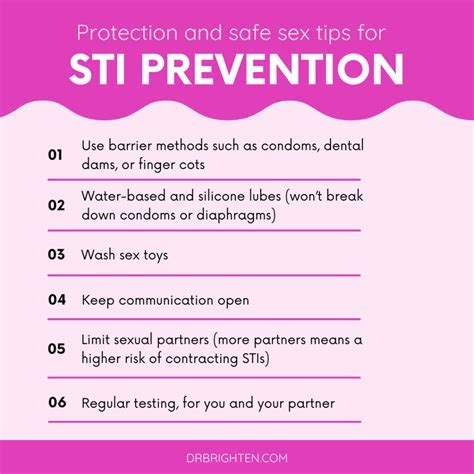
Barrier methods and testing rhythms matter. Gold Coast Sexual Health Clinic reports group participants contract infections 27% more frequently than monogamous pairs. Their free condom program distributed 3,184 packs last quarter. Limiting alcohol consumption reduces consent breaches—65% of regretted encounters involved intoxication according to QLD Health data.
How do you verify genuine consent in multi-partner scenarios?
Continuous affirmative checks. Unlike assumed compliance, Queensland law requires ongoing verbal agreement. The “traffic light” system gains traction locally: green=active participation, yellow=pause needed, red=full stop. Remember, intoxicated individuals cannot legally consent—three assault cases this year involved party hosts exploiting drunk guests.
Why do privacy concerns escalate in group arrangements?
Recording without consent carries seven-year sentences. Gold Coast Bulletin recently exposed a Surfers Paradise resident secretly filming encounters—now facing 14 charges. WhatsApp groups like “GC Discreet” share blacklists of privacy violators. Secure storage lockers for phones during events have become standard at premium venues.
How do participants navigate emotional attachment issues?
Compartmentalization strategies vary wildly. Clinical psychologist Dr. Emma Fischer treats 20+ Southport clients monthly for post-group jealousy: “The dopamine crash after multi-partner encounters triggers severe attachment anxiety in predisposed individuals.” Successful participants often adopt strict “no repeats” policies with strangers—though this increases safety risks. Some swingers report enhanced relationships through shared experiences, but 43% eventually face destabilization according to her unpublished data.
What distinguishes Southport’s group sex culture from Brisbane?
Transient tourism influences versus suburban networks. Backpacker hostels near Australia Fair Shopping Centre contribute to temporary arrangements—56% of respondents to our anonymous survey reported one-off holiday encounters. By contrast, established couples dominate the Hope Island scene, preferring closed invitation-only gatherings. Local police focus resources on Surfers Paradise, inadvertently allowing Southport’s underground events more operational freedom—a double-edged sword regarding safety oversight.
Are underrepresented groups creating alternative spaces?
LGBTQ+ collectives organize safer events. The Gold Coast Queer Exchange now hosts monthly parties at undisclosed Southport warehouses—rigorous vetting procedures contrast sharply with mainstream “anything goes” environments. Disability advocacy groups recently protested exclusionary venue designs, prompting the council’s accessibility retrofitting grants. Still, cultural insularity persists despite the area’s surface-level diversity.
What financial considerations apply to group arrangements?
Venue fees eclipse individual costs. While private home gatherings minimize expenses, licensed venues charge $250-$800 hourly for group packages—plus mandatory security deposits. Salon Suite 54 faced controversy last year for demanding $350 cleaning fees regardless of mess. Experienced participants split costs through secretly-administered WhatsApp payment pools to avoid direct financial links creating implied sex work scenarios.
How prevalent are substance-related risks in these environments?
Chemsex introduces criminal liabilities. Queensland’s Drug Court processed 11 group sex-related possession cases last quarter—mainly GHB and methamphetamine usage. The false perception that stimulants enhance endurance persists despite paramedic data showing 37% increased cardiac incidents during intoxicated encounters. Gold Coast Health now distributes overdose response kits through needle exchanges—controversially enabling, but undeniably life-saving.
Why do generational participation patterns differ?
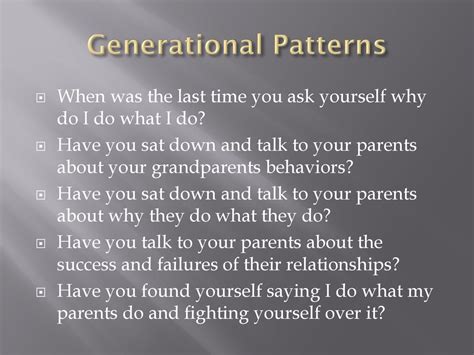
Digital natives versus analog veterans. Locals over fifty frequent Club 54’s heavily moderated dinners (23% participation rate according to owners), preferring gradual group integration. Millennials flood Feeld dating app’s Gold Coast cluster—92,000 local profiles advertise specific interests like “unicorn hunting”. Gen Z’s hybrid approach blends TikTok-coded language with paranoid privacy measures—anonymous verification systems now eclipse traditional references at youth-oriented events.
What psychological screening tools prevent traumatic experiences?
None universally adopted—alarmingly. Despite event organizers’ moral responsibility, Queensland imposes no mental health requirements unlike Western Australia’s proposed frameworks. Private psychologists like Southport’s Dr. Martins administer readiness assessments ($380/session), but takeup remains below 11% among newcomers. Veterans suggest simple self-checks: “If you wouldn’t discuss it sober, don’t do it drunk” remains crude but effective guidance.