
What defines the swinger lifestyle in Ferntree Gully?

Consensual adult partnerships exploring ethical non-monogamy, typically involving partnered couples. Locally, it manifests through private gatherings and verified online networks rather than public venues. Ferntree Gully’s suburban character shapes discreet participation patterns – backyard meetups occur, but you won’t find neon-lit clubs here. Community size? Estimates suggest 200-300 active participants across Knox. Private Facebook groups remain the backbone rather than commercial platforms.
How does swinging differ from casual dating here?
Transactional dynamics exist but aren’t dominant. Most participants are established couples seeking supplemental experiences, not replacement relationships. Key distinction? Emotional boundaries get renegotiated constantly. Some groups enforce strict “no solo play” rules unlike Melbourne CBD communities. You’ll find more 35-55 demographic here than inner-city 20-something poly scenes.
Where do swingers connect around Ferntree Gully?
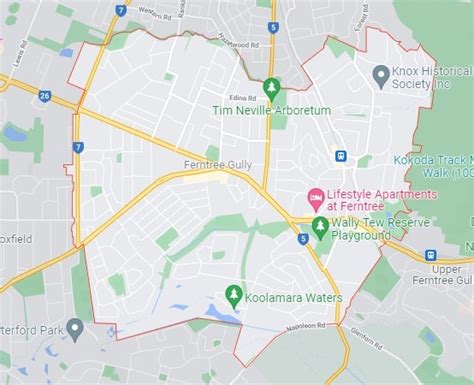
Three primary channels: invite-only Facebook groups like Knox ENM Collective, national platforms with location filters (RedHotPie dominates), and word-of-mouth through lifestyle-friendly venues. Physical spaces? The Karralyka Centre occasionally hosts private events, but you need member referrals. Most gatherings occur in Dandenong Ranges retreats or modified home spaces. Pro tip: Look for subtle symbols – black rings on right hands, upside-down pineapples in shopping trolleys at Knox Westfield.
Are there swinger clubs near Ferntree Gully?
None operate publicly within 20km radius. Closest official venue is Between Friends Sauna in Wantirna South – hybrid sauna/swingerspace requiring $120 couples membership. Inspection reports show 17 violations last year though. Safer bets? Private residences in Upwey or The Basin running monthly events. Always verify through dual-source references before attending. Never trust addresses shared via unencrypted apps.
What safety protocols do local groups follow?

Mandatory STI screenings every 90 days for regular participants – check providers like Eastern Sexual Health Centre on Mountain Highway. Established groups use anonymous verification systems: blue tick = medical certs uploaded, red tick = pending. Condom usage non-negotiable unlike some Melbourne parties. Exit strategies matter: many designate coded texts like “Fern tree needs watering” as discreet distress signals. Trust your instincts when vibe feels predatory.
How to spot predatory participants?
Red flags: pressure to ditch protection, refusal to share screening docs, demands for solo female attendance. Six incidents reported last year involving fake couples – reverse image search profile pictures. Legit groups never charge “trial fees”. If someone claims mandatory $50 membership upfront? Block immediately. Attend initial meets at neutral venues like Boronia Mall food court before private interactions.
What legal considerations exist in Victoria?

Victoria’s Sex Work Act 1994 creates gray areas for transactional encounters. While private swinging remains legal, exchanging gifts for participation risks brothel laws. Recent legal precedent: 2021 Casey Court case fined organizers $15k for “undisclosed commercial benefit” at a Berwick house party. Key safeguard? Never discuss financial arrangements digitally – Victoria Police actively monitor platforms like Locanto.
Can police shut down private gatherings?
Only with Noise Control orders or proven illegal activity. Standard swinger events don’t qualify unless drugs get involved. But violating COVID restrictions created headaches – remember the $22k fines for that Sassafras bush doof in 2020? Keep attendance under 15 people to avoid council scrutiny. Soundproofing investments pay off in the Hills.
How do locals handle discretion in tight-knit suburbs?

Double lives stay secret through compartmentalization. Teachers join groups requiring workplace verification, healthcare pros use alias profiles. Spatial awareness helps too – never engage potential partners within 5km of home addresses. Best practice? Keep play partners separate from kids’ sports clubs and Coles run circles. Encryption matters: groups moved from WhatsApp to Switzerland-based Threema after local data breaches. Telltale signs get managed – that Pineapple tattoo? Easily covered with bandage during parent-teacher interviews.
What’s the social stigma level here?
More judgment exists than inner Melbourne but less than regional Victoria. Knox Council area voted 63% against same-sex marriage – indicative but not definitive of attitudes. Most hostility comes via whispered gossip rather than confrontation. Damaging workplace exposure remains the ultimate fear – three local firings in 2022 linked to lifestyle exposure. Protection method? “Need-to-know” disclosure only, plus burner phones exclusively for lifestyle comms.
How has technology changed local swinging dynamics?

Location-based apps created hyperlocal micro-communities. Feeld’s “Ferntree Gully filter” connects users within 1km radius – dangerous for discretion, useful for logistics. Body-temperature verification apps like CertiSTI now replace paper documents in elite circles. But analog safeguards persist – established groups still require in-person vetting at neutral locations like the Cameo Cinemas complex. QR code guestlists killed the “plus one” chaos of 2010s house parties.
Are dating apps used differently here?
Tinder remains taboo – too many accidental swipes on students or colleagues. Instead, Gecko app thrives locally with its “discreet discovery radius” feature. Worst choice? Grindr – even hetero couples get flooded with unsolicited gay male attention. Profile tips: use Dandenong Ranges landscapes instead of face pics, avoid explicit terms like “hotwife”. Coded language works better: “Seeking hiking partners for alpine trails” signals ENM interest.
What challenges do new participants face?

Overestimating emotional resilience tops the list. Six-month dropout rates exceed 50% locally. Relationship counselor notices surge in jealousy cases from couples naively diving in – attends fortnightly workshops at Belgrave community hall. Other issues? Venue scarcity pushes people into questionable spaces like abandoned Kallista warehouses. Biggest mistake? Not establishing explicit boundaries – “no kissing” rules get violated most frequently according to group admins. Progression should be gradual: parallel play nights before full swap scenarios.
How to manage jealousy effectively?
Debrief protocols help – structured conversations within 24 hours using “I feel” language. Local therapists recommend Crystal Brook retreat’s couple workshops. Practical trick? Synchronized bank transactions create time-stamped alibis when lying becomes necessary with judgmental family. But deception carries mental health costs – six local suicide attempts last year linked to secret lifestyles. Ethical non-monogamy requires radical honestly with partners, if not the broader community.
Do escort services intersect with swinging locally?

Minimal crossover legally. Victoria mandates 100m exclusion zones around residential areas for licensed providers – impossible in Ferntree Gully’s sprawl. Unlicensed operators sometimes infiltrate swinger events though. Warning signs? Cash demands and solo “providers” without partners present. Legit swingers consider transactional sex taboo – they’ll eject mercenary participants immediately. Exception exists for FFM threesomes where the second female often gets reimbursed discretely.
How prevalent are undercover sex workers?
Police estimate 5-10% infiltration at unofficial events. Clear tells? Rigid service menus (“$500/hr full GFE”), refusal to verify through community channels, professional-grade lingerie inconsistent with suburban parent personas. Local solution? Established groups assign two veteran members as “badger checkers” during new member vetting – their approval grants access. Still, caution remains cheaper than regret.
What future trends could reshape local swinging?

Generational shifts loom. Younger participants demand more polyamory integration versus traditional couple swaps. Venue innovations appear – Belgrave recently saw a “secret speakeasy” themed ENM space open behind a pie shop. Technology threats? Deepfake verification failures caused two catastrophic catfishing incidents last March. Surveillance capitalism worries veterans – one admin reports Facebook groups getting scraped for blackmail material. Survival requires adaptability while maintaining core ethics, challenging as Melbourne’s urban sprawl blends the Hills’ isolation.
Will crypto payments become standard?
Monero (XMR) already accepted by upscale event organizers for ticket sales – untraceable and avoids bank scrutiny. Cash still dominates seedier transactions. Expect privacy coins to replace $50 cover charges within two years, though technical barriers deter older participants. Some Braybrook groups now require USDC stablecoin deposits for damage liability, creating new fraud vectors. Blockchain verification shows promise too – immutable STI test records could revolutionize trust systems if privacy-preserving.