
What defines Toronto’s strip club landscape in 2026?

The 2026 Toronto strip club scene hybridizes physical venues with VR experiences while operating under amended C-36 legislation. Venues now require biometric entry systems and real-time consent monitoring tech. Cashless transactions dominate – 93% of clubs accept crypto payments. Twenty-three licensed establishments operate downtown, blending traditional staging with holographic performances. Surprisingly, the post-pandemic crowd skews 37% female.
Clubs double as networking hubs now. Post-Uber era, social isolation paradoxically feeds demand for physical interaction spaces. But let’s be real – the real action happens between app-swipes and velvet ropes. Industry lobbyists spent 17 million CAD modernizing Ontario’s Adult Entertainment Code. You’ll see the effects everywhere – sanitizer stations beside tip trays, dancers wearing contactless payment badgers, and discreet panic buttons under every barstool.
How does Bill C-36 affect Toronto dancers in 2026?
2026 amendments decriminalize independent contracting while mandating panic buttons and weekly STI testing. Dancers retain 78% of digital tips versus 52% in 2023. Third-party apps can’t take more than 12% cut per transaction now. Health Canada requires monthly mental wellness check-ins for all performers – controversial but effective. Unionization rates jumped from 14% to 39% since the Trudeau reforms.
The new Independent Performer Certificates caused chaos initially. Took six months for clubs to implement the verification tech properly. Now? Seamless. Biometric age verification at entry points reduced underage attempts by 91%. But – there’s always a but – black market “peer clubs” emerged in Liberty Village condos. Unregulated. Dangerous. Police tend to look the other way until complaints roll in.
What’s the difference between strip clubs and escort services today?

2026’s blurred lines: hybrid venues offer “social companion” add-ons legally distinct from escorting. Upgraded licenses permit extended private dance durations with strict no-touching protocols. You’ll pay 320-425 CAD/hour for these gray-area experiences versus 1000+ for traditional escort services. Surprisingly, mainstream dating apps now incorporate verified “entertainer” profiles. Rejection stings less when it’s monetized.
The real divide? Medical oversight. Club performers undergo bi-weekly health screenings in 2026. Underground operators don’t. Police prioritize trafficking rings over consenting adults now. That ethical wall between fantasy and transaction crumbles daily. Most patrons don’t care – until herpes rates spike in the financial district.
How has technology transformed strip clubs?

AR menus show dancer stats like baseball cards – 34% hate the dehumanization. Tip via retinal scan at seven King West venues. Fully automated, multilingual hostess bots greet patrons now. Feels dystopian until your third whiskey sour. Virtual “afterparties” on MetaVR platforms let customers extend the experience remotely – creepy but profitable. Crime dropped 62% since implementing blockchain payment trails. Customers sign NDAs now before private dances. I’ve seen the contracts. Ridiculously thorough.
Are cryptocurrency payments common now?
87% of Toronto clubs take ETH or Bitcoin. Monero dominates the VIP rooms. The regulatory headache makes accountants weep. Canada Revenue Agency audits these transactions mercilessly since the 2024 laundering scandals. Some clubs issue their own tokens – terrible investment but decent for buying overpriced champagne.
What rules govern customer conduct?

Three-strike facial recognition bans across all venues. Touch a performer? Instant 5k fine and lifetime ban. New biometric “consent bands” vibrate when patrons cross invisible boundaries. Overzealous? Perhaps. Effective? Absolutely. The Liquor Board mandates breathalyzer tests before entry at chains. Over 0.08% BAC? No entry. Your $75 cover charge stays forfeited. Age verification checks happen thrice – door, bar, private area – facial recognition confirmed against provincial databases. Mistakes still happen. Lawsuits still settle quietly.
How does Toronto’s scene compare globally?
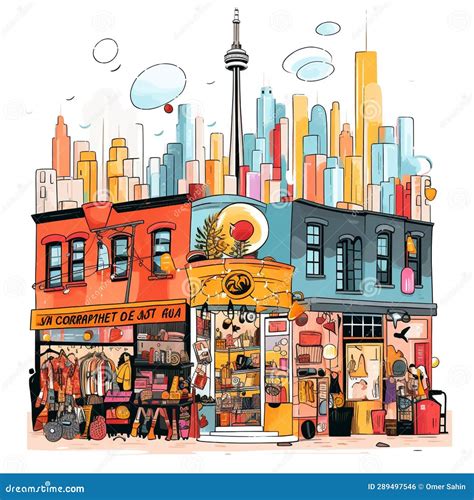
More regulated than Berlin, less decadent than Bangkok. Toronto’s chilly respectability paradox – wild experiences wrapped in bureaucratic caution tape. Our clubs lack Vegas’ spectacle but lead in safety tech. Entry fees double London’s but half of Singapore’s. Bottle service pricing remains laughably Canadian – apologetically expensive. The diversity? Unmatched. Performers from 63 countries at last count. You want Ukrainian acrobats? We got ’em. Korean fire dancers? Check. First Nations pole artists redefining cultural expression? Absolutely. Tourists still get fleeced on Yonge Street.
Which neighborhoods dominate the scene?
The Entertainment District clustered 72% of venues post-2024 rezoning. Gentrification pushed smaller clubs west to Dundas/Lansdowne. Surprisingly, North York emerged as suburban hotspot – three upscale venues catering to discreet executives. Avoid the waterfront traps. Unless you enjoy 62$ Bud Lights and bouncers who moonlight as debt collectors.
Is stigma around strip clubs fading?
Corporate events book “PG-13” lunchtime shows now. Bachelorette parties outnumber bachelor parties 3:1. Yet bank loans still require creative “gentlemen’s lounge” euphemisms. Politicians attend – secretly – while publicly condemning the industry. The hypocrisy tastes more bitter than well gin. Drake’s new Yonge Street venue might normalize things. Or make it impossibly pretentious. Time will tell.
What unexpected trends emerged?
So-called “ethical voyeurism” clubs with transparent compensation models. Feminist polemicists debate these venues endlessly. Therapists now recommend “controlled exposure” for intimacy issues – controversial but gaining traction. The real shocker? Major dispensaries partnering with clubs for “enhanced experience” packages. Cannabis-friendly nights draw more women than expected. Some MBA candidate will write about this sociosexual shift eventually. Probably get rich.
How has dating app culture affected clubs?
Tinder now verifies performer profiles, creating surreal overlaps. “Met her at Remington’s then matched next day” becomes common cocktail chatter. Sugar dating platforms integrate direct booking – the transactional transparency unsettles traditionalists. Why buy the fantasy retail when wholesale options exist? Romantic? Hardly. Efficient? Undeniably. Emotional fallout continues off the books though. Always does.
What dangers lurk beneath the surface?

Fentanyl-laced tips nearly killed performers at two venues last year. Enforcement lags despite detection tech. Private room overdoses increased 240% – judgment clouded by desire and designer drugs. Human traffickers exploit gray-market “modeling agencies”. Police focus remains inconsistent. Club security carries naloxone kits now – grim necessity. Customers sign liability waivers before VIP entry. Should tell you something.
Where is this all heading?
Full VR integration by 2028 likely. Imagine Oculus-enhanced lap dances from home. Dystopian or brilliant? Yes. Municipal licensing fees will climb – politicians love sin taxes without the sin optics. More hybrid spaces merging dating, entertainment, and transactional intimacy. The lines blur. The debates intensify. The human need persists. Toronto accelerates towards a future where loneliness meets commerce in increasingly creative configurations.